By Mike Talty
October 15, 2026
Power outages can interrupt daily routines, affect household comfort, and create concerns about essential electrical equipment. Whether an outage lasts several hours or extends into multiple days, having a dependable backup power source can make a significant difference. A professionally installed standby generator provides an alternative source of electricity when utility service becomes unavailable.
However, choosing the right system involves more than selecting a generator. Home generator installation requires careful consideration of household power demands, equipment placement, electrical compatibility, safety requirements, and long-term maintenance. According to HomeAdvisor, a well-maintained, high-quality standby generator may remain operational for 30 to 50 years when it receives regular servicing. That potential longevity makes thoughtful planning particularly important.
Homeowners considering backup power should understand the factors that influence system performance and reliability. Here are five essential tips for planning a generator installation that supports household needs.
1. Evaluate Your Household's Backup Power Needs
Identify Essential Electrical Systems
Some homeowners prioritize refrigerators, heating equipment, sump pumps, lighting, and communication devices. Others want broader coverage that allows daily routines to continue with fewer interruptions. Identifying essential systems helps establish realistic expectations before selecting equipment. Considering which appliances are used most frequently can also help families distinguish between immediate necessities and conveniences that may not require continuous power during an outage.
Consider Total Electrical Demand
Household appliances consume different amounts of electricity, and certain equipment requires additional power when starting. Professional electricians can evaluate these demands to determine an appropriate generator capacity. This assessment helps avoid selecting equipment that cannot adequately support the intended electrical load.
Compare Backup Power Priorities
Families have different priorities during outages. A household with medical equipment may require dependable electricity for specific devices, while another may emphasize refrigeration, climate control, or home office equipment. Home generator installation should reflect these individual requirements rather than relying on a universal equipment recommendation.
Account for Future Electrical Needs
Electrical demands can change as homeowners add appliances, renovate rooms, or upgrade existing systems. Discussing potential future improvements with an electrician can help determine whether additional capacity deserves consideration. Planning ahead may reduce the likelihood of discovering that a newly installed system no longer meets household expectations.
2. Choose an Appropriate Generator Location
Review Available Outdoor Space
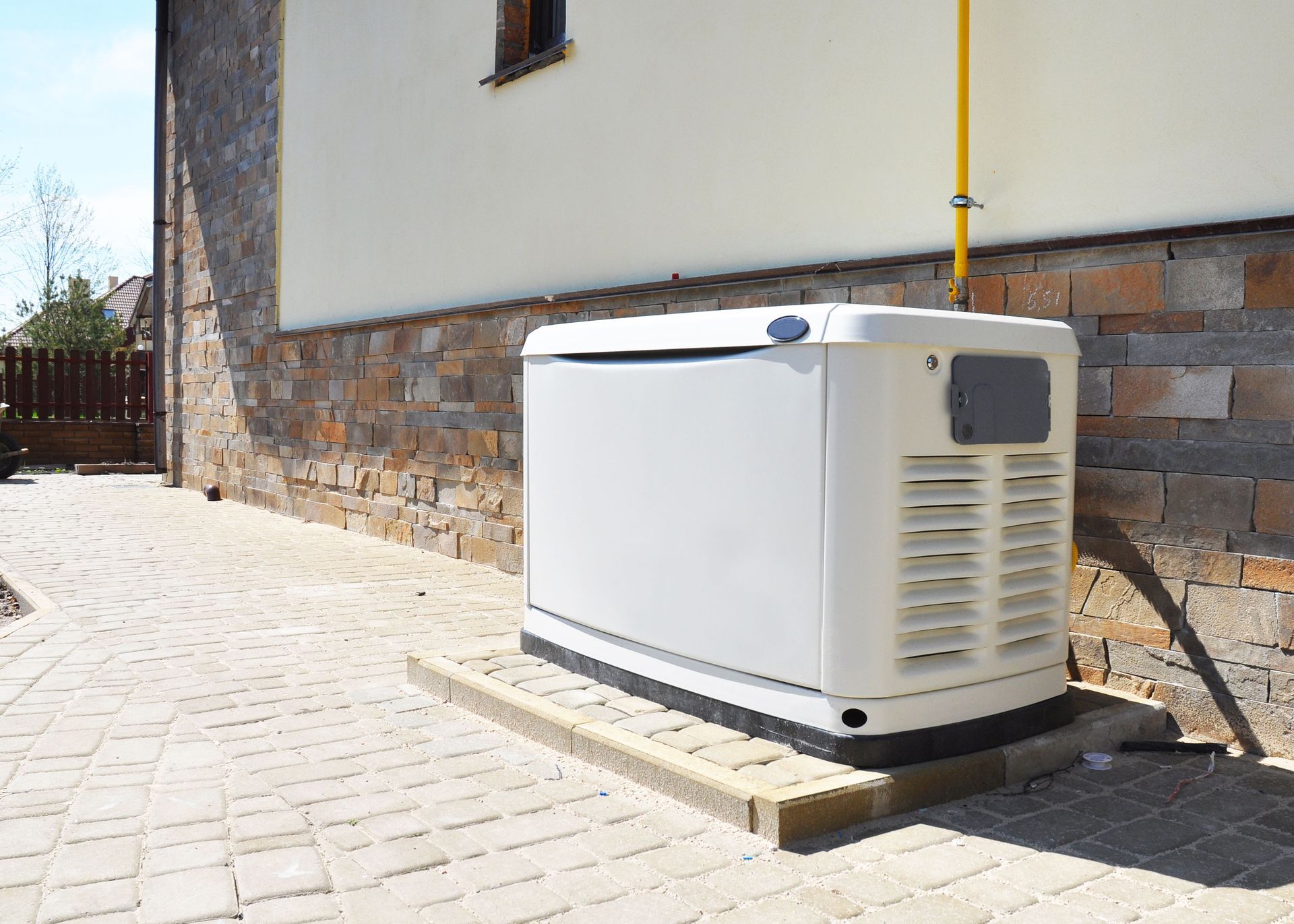
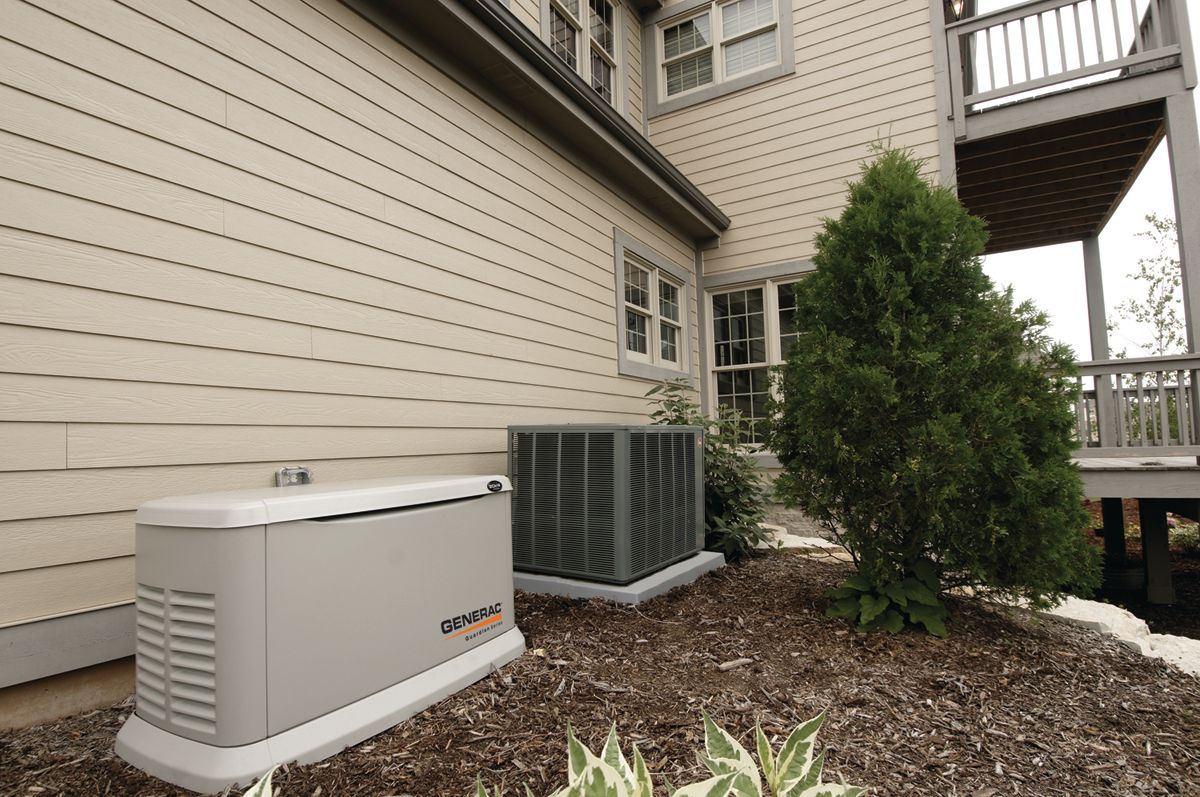
Standby generators require suitable outdoor placement. The available space around a home can influence equipment selection, accessibility, and installation planning. Homeowners should discuss potential locations with qualified professionals who understand manufacturer requirements and applicable safety standards.
Review Ventilation Requirements
Generators produce exhaust gases, including carbon monoxide, that present serious safety hazards. Proper outdoor positioning and adequate separation from openings are essential considerations. Professional home generator installation accounts for manufacturer instructions, applicable codes, and the surrounding property to support safe equipment operation. Nearby windows, doors, and ventilation openings can influence placement decisions, making a thorough property evaluation especially important before the installation location is finalized.
Review Weather Exposure
Outdoor equipment experiences rain, snow, temperature changes, and other environmental conditions. Although standby generators are designed for exterior use, site characteristics can affect accessibility and long-term operation. Professionals can evaluate drainage, ground conditions, and other factors when recommending an appropriate location.
Review Maintenance Accessibility
Generators require periodic inspections and servicing. Equipment placement should allow qualified technicians to reach important components without unnecessary obstacles. Considering maintenance access during planning can make future appointments more convenient and help homeowners maintain a consistent service schedule.
3. Confirm Electrical System Compatibility
Assess Existing Electrical Equipment
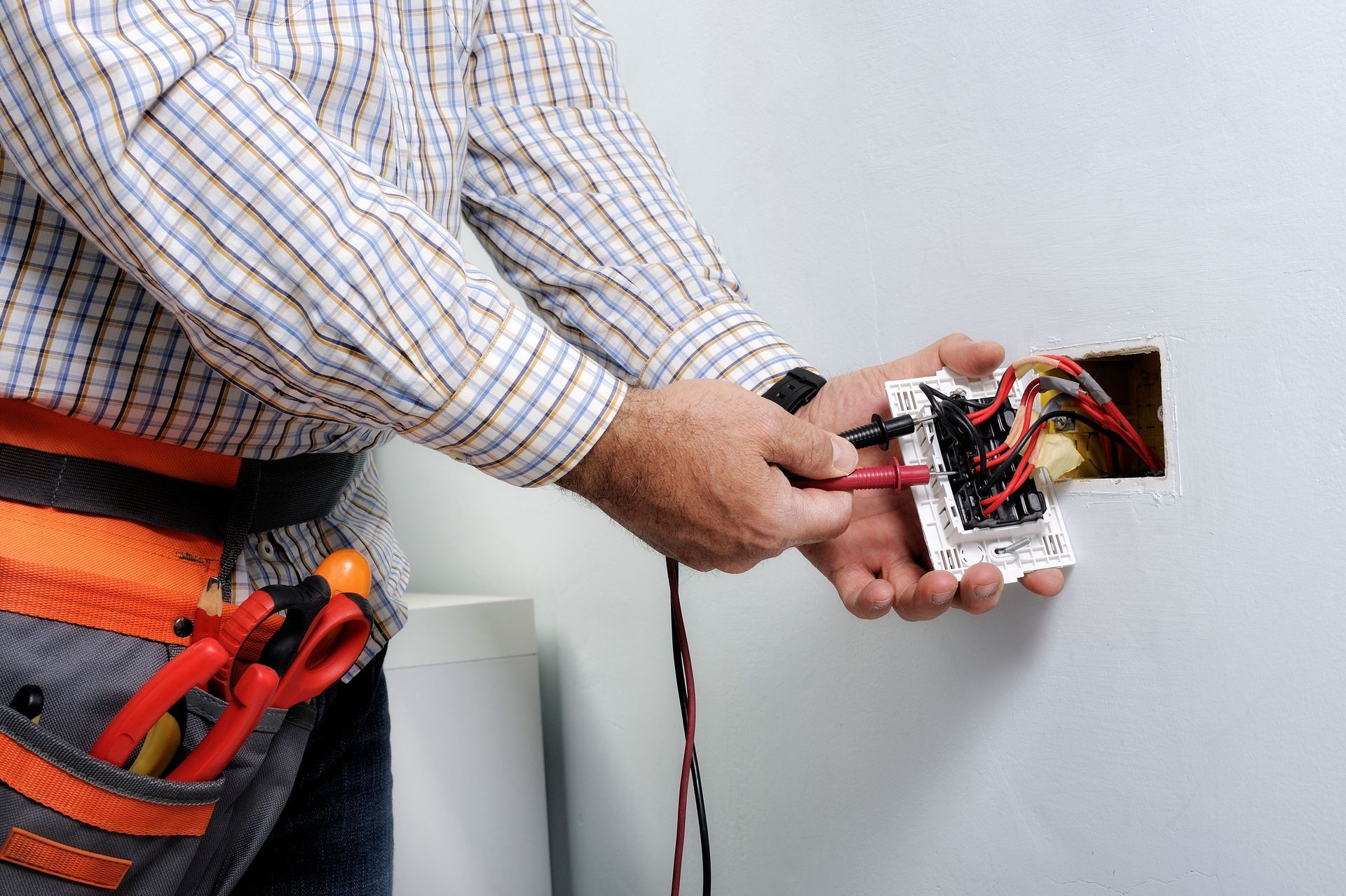
A standby generator must work with the home's existing electrical infrastructure. Electrical panels, connected circuits, and available capacity can influence the installation approach. A professional evaluation helps identify whether the current system can accommodate the proposed equipment or whether modifications may be necessary.
Assess Automatic Transfer Capabilities
Many standby generators operate with an automatic transfer switch that detects utility interruptions and transfers designated electrical loads to backup power. This equipment plays an important role in preventing unsafe connections between generator power and the utility system. Home generator installation should include a professional evaluation of the appropriate transfer equipment.
Assess Applicable Safety Requirements
Electrical installations must follow relevant codes, permitting requirements, and manufacturer specifications. These requirements help address equipment compatibility, safe operation, and appropriate electrical connections. Working with qualified electricians provides homeowners with professional oversight throughout the project. Local regulations may also influence equipment placement, inspection procedures, and other installation details. Addressing these requirements during planning can help homeowners better understand the scope of the work.
Assess Equipment Integration
Backup power equipment should function as part of the home's overall electrical system. Proper integration involves considering how connected appliances respond when utility service is interrupted or restored. Professional planning helps establish a coordinated arrangement that supports predictable operation during changing power conditions.
4. Understand Your Generator's Fuel Requirements
Compare Available Fuel Sources
Standby generators commonly operate using natural gas or propane, depending on the model and available infrastructure. Each option has characteristics that can influence equipment selection and operating expectations. Homeowners should discuss local fuel availability with qualified professionals before making a final decision.
Compare Operating Considerations
Fuel requirements can vary according to generator size, electrical demand, and operating duration. Understanding these differences helps homeowners develop realistic expectations about backup power during extended outages. A professional can explain how the selected equipment's fuel requirements relate to anticipated household usage.
Compare Property Limitations
Existing utility connections, available outdoor space, and property characteristics may influence which fuel arrangements are practical. These considerations should be evaluated alongside generator placement and electrical requirements. Home generator installation benefits from coordinated planning that addresses the complete backup power system.
Compare Long-Term Availability
Extended utility interruptions can create different challenges depending on the available fuel source. Homeowners should understand how their selected generator receives fuel and what circumstances could affect continued operation. Discussing these factors before installation supports more realistic expectations about emergency preparedness.
5. Plan for Professional Maintenance and Long-Term Performance
Schedule Routine Service
Standby generators contain mechanical and electrical components that require periodic attention. Routine professional service can help identify wear, evaluate operating conditions, and address developing concerns. Following manufacturer-recommended maintenance intervals supports dependable performance and helps protect the equipment investment.
Monitor Operating Performance
Generators may experience changing operating conditions as they age. Unusual sounds, warning indicators, or inconsistent performance can suggest that professional attention is needed. Recognizing these changes and arranging appropriate service can help prevent minor concerns from becoming more disruptive.
Maintain Service Documentation
Organized maintenance records provide useful information about inspections, repairs, and component replacements. This documentation can help technicians understand the generator's history and identify recurring concerns. Records may also be important when reviewing manufacturer warranty requirements or planning future service appointments.
Prepare for Long-Term Ownership
Home generator installation represents an investment that extends beyond the initial purchase. Homeowners should consider ongoing maintenance, potential repairs, and the responsibilities associated with operating backup power equipment. Understanding these expectations helps establish a practical approach to keeping the system ready when electrical service becomes unavailable. Establishing a relationship with a qualified electrical service provider can also make it easier to arrange future inspections and discuss changes in household power requirements.
A dependable backup power system begins with thoughtful decisions about electrical capacity, equipment placement, system compatibility, fuel availability, and maintenance. Each consideration contributes to how effectively a generator supports household needs during an outage.
At Clover Electric, Inc, our team helps homeowners explore backup power options designed around their electrical needs and long-term expectations. Contact us today to discuss home generator installation and learn how professional planning can help prepare your household for unexpected power interruptions.