By Mike Talty
October 13, 2026
Choosing the right generator size is an important part of preparing a home for power interruptions. A generator that is too small may not provide enough power for the appliances and systems a household needs, while one that is larger than necessary may add unnecessary cost and energy use. Understanding how much electricity a home may need can make the selection process easier. This article explains the main factors to consider when choosing a generator size, including household needs, electrical demand, available capacity, and future use.
Understanding Your Home's Power Needs
The first step in choosing the right generator size is determining which parts of the home need power during an outage. Every household has different priorities. Some may want to keep only necessities operating, while others may want power available throughout most of the home. Important electrical needs may include lighting, refrigeration, heating and cooling equipment, internet equipment, security systems, and other frequently used appliances. Larger electrical systems can require more power than smaller household devices. Creating a clear list of important electrical needs can provide a better idea of the generator capacity a home may require. For homeowners considering whole home generator installations, looking at normal household use can help establish a reasonable starting point. The goal is not simply to select the largest available generator. The goal is to match the generator's capacity with the home's electrical demands.
Assessing Electrical Demand
Electrical demand refers to the amount of power appliances and systems require when they are operating. Different devices can have very different power requirements. Some use relatively little electricity, while larger equipment can require considerably more. Another factor is the amount of power needed when certain equipment starts. Some electrical systems may require more power briefly when they first turn on than they use during normal operation. This starting demand can affect the generator size needed for a home. A home's total electrical demand can change based on which systems are operating at the same time. For this reason, simply adding up the power requirements of every device may not always provide the clearest picture. A qualified electrical professional can review the home's electrical needs and help determine an appropriate capacity.
Considering Essential Electrical Systems
Not every household has the same priorities during a power outage. Some homeowners may focus on keeping food cold, maintaining comfortable indoor temperatures, and having basic lighting. Others may want more of their home to continue operating as normally as possible. Consider which systems are most important during an outage. Refrigeration, heating, cooling, lighting, communications, and other essential electrical needs may be high on the list. The size of the generator can then be considered based on the number and type of systems that may operate together. For homes with broader electrical needs, home generator installations may be considered as a way to provide power to a larger portion of the property. Understanding those needs ahead of time can help prevent selecting a generator that does not provide enough capacity.
Comparing Generator Capacity
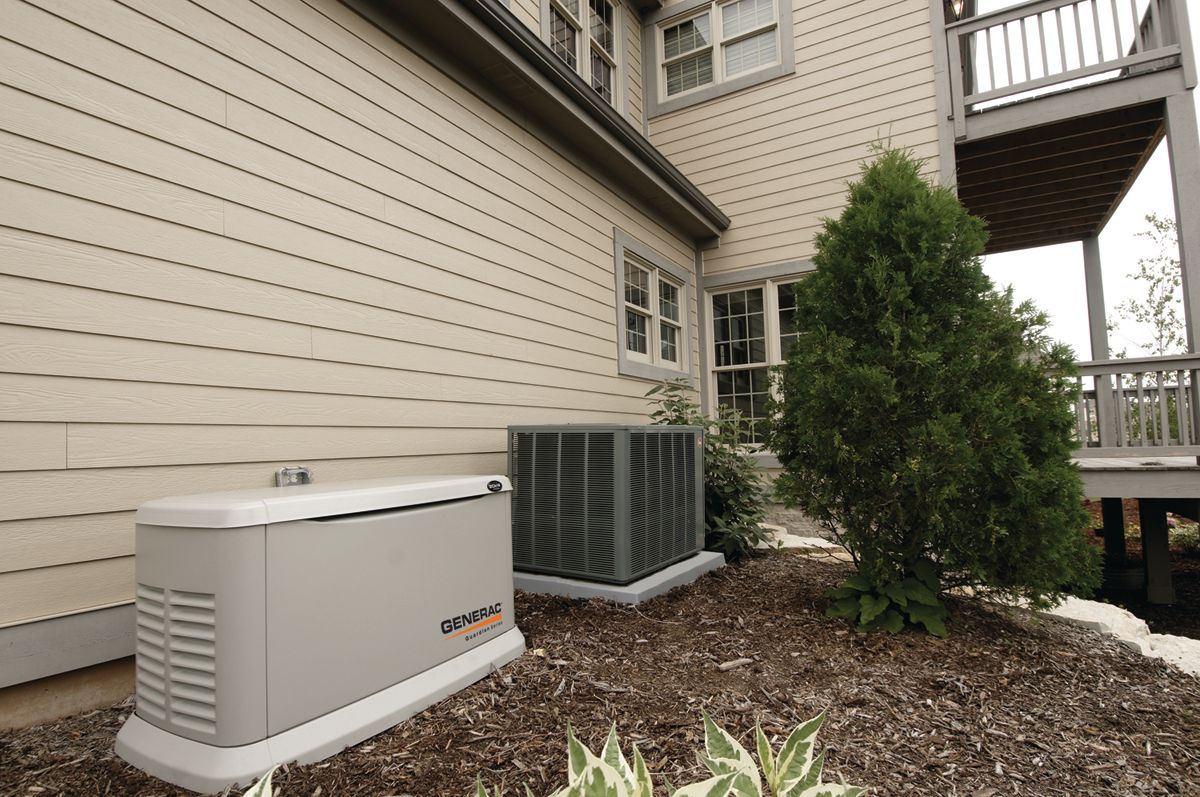
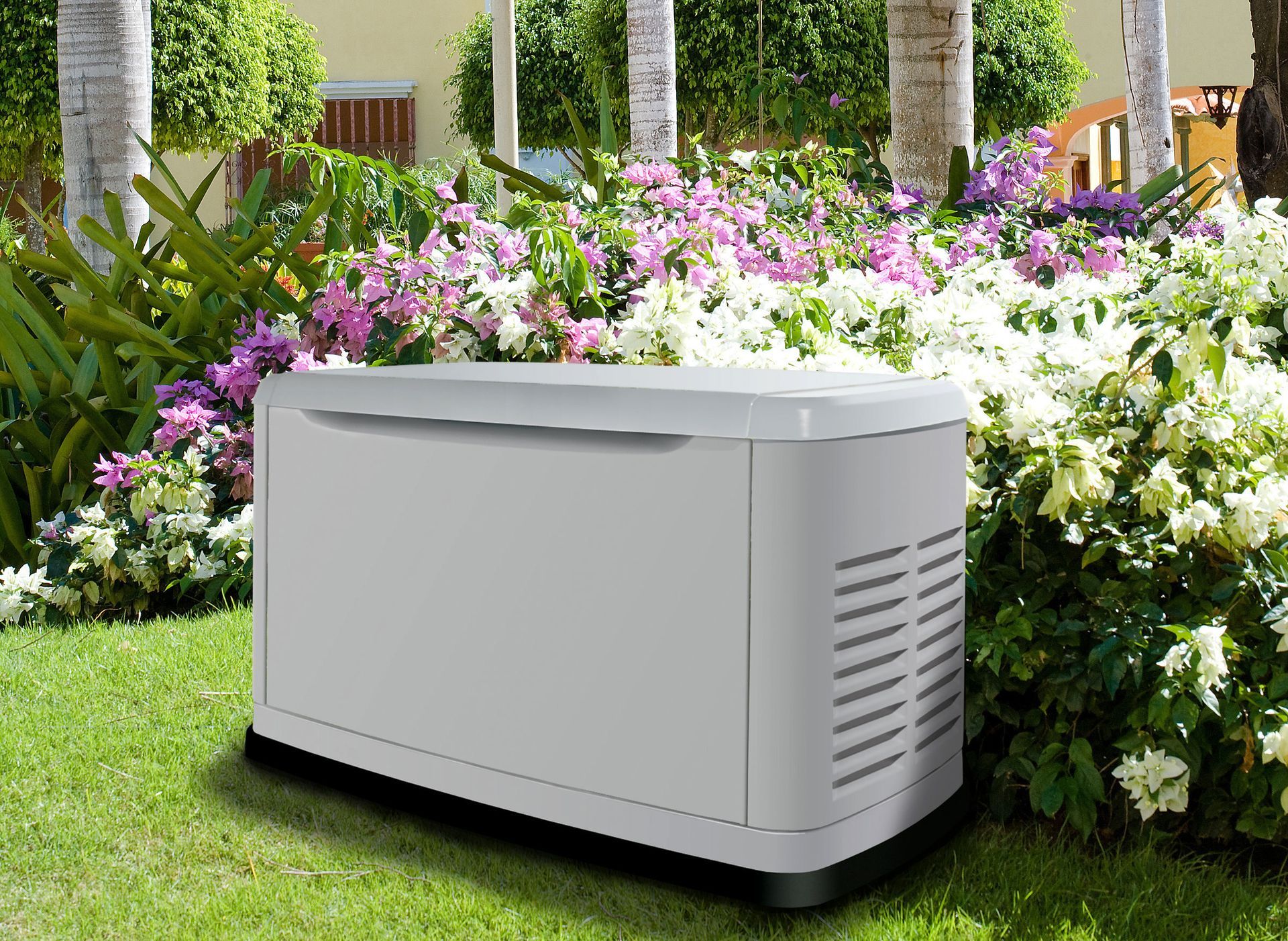
Generator capacity is commonly expressed in kilowatts, or kW. This measurement provides a general indication of how much electrical power a generator can provide. Larger homes or homes with greater electrical demands may require more capacity than smaller properties. According to This Old House, a 20kW generator is usually powerful enough to run most of the electrical devices in your home. This provides a useful point of reference when thinking about generator capacity, but household electrical demands can vary significantly. The actual size needed depends on the systems in the home, how much power they use, and which ones are expected to operate at the same time. Comparing capacity with the home's actual electrical requirements is more useful than choosing a size based only on the home's square footage. Two homes of similar size can have very different electrical demands. The number and type of electrical systems matter when determining how much capacity may be appropriate.
Reviewing Your Home's Electrical Setup
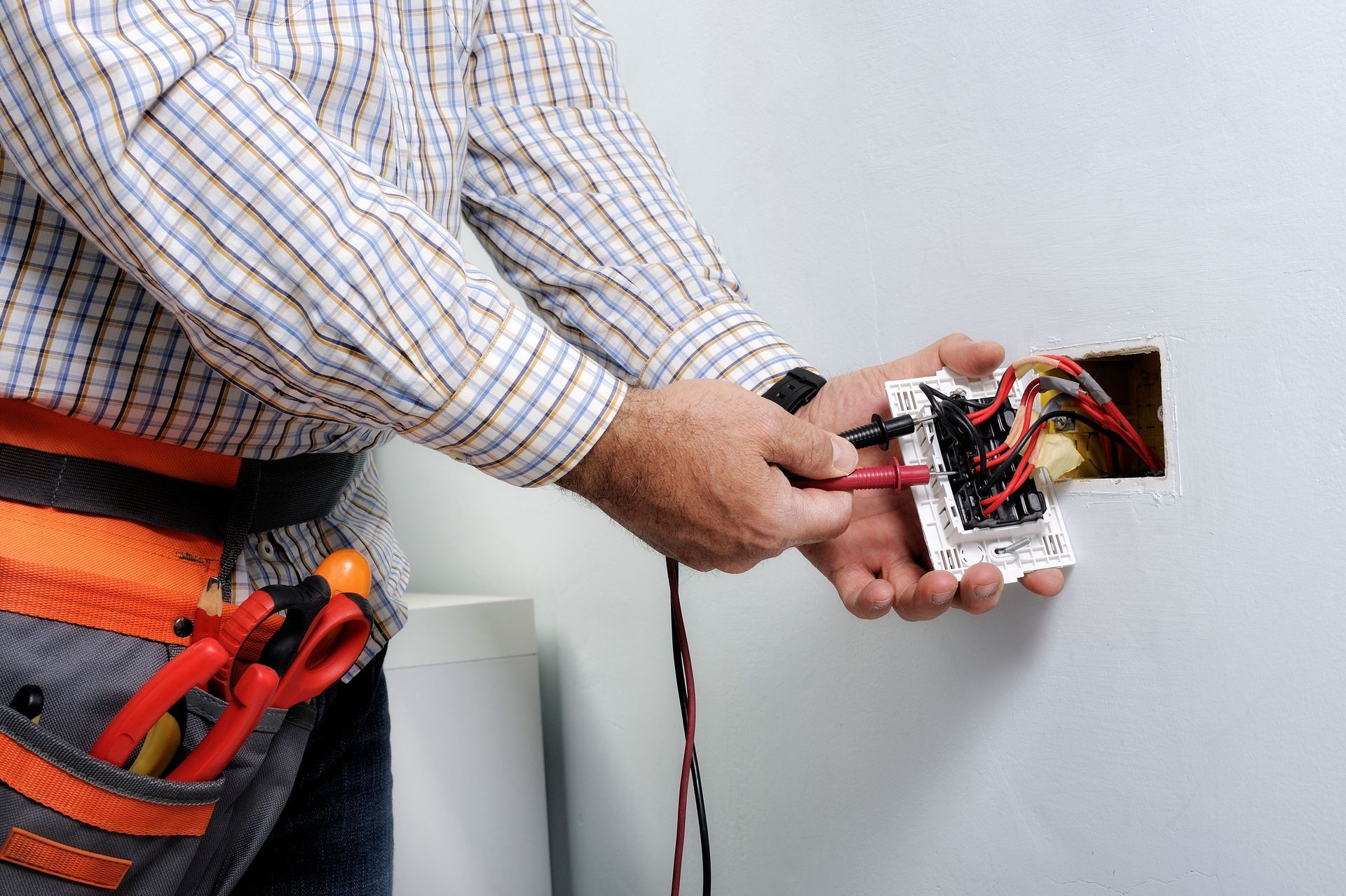
The home's existing electrical setup can also affect generator planning. Electrical panels, circuits, major appliances, and other systems all contribute to how power is distributed throughout the property. A professional evaluation can help identify how the generator would need to interact with the home's electrical system. Older homes may have electrical configurations that differ from newer construction. Renovations, additions, and changes to major electrical equipment can also affect current power needs. Reviewing these factors before selecting a generator can help create a more accurate picture of the home's requirements. Homeowners considering whole home generator installations may benefit from having the electrical system evaluated before making a final decision. Professional guidance can help identify important considerations that may not be obvious from looking at individual appliances.
Evaluating Generator Fuel Requirements
Fuel requirements can also be considered when determining the right generator size. Larger generators may use more fuel, particularly when operating under heavier electrical loads. The expected length and frequency of power interruptions can influence how important fuel use is for a household. Homes that experience occasional short outages may have different needs than properties that regularly face longer interruptions. Considering fuel consumption alongside electrical capacity can help homeowners make a more balanced decision. A professional can evaluate the home's expected power needs and discuss how generator size may affect ongoing operation.
Considering Future Electrical Needs
Generator planning should account for more than current electrical use. Household needs can change over time. New appliances, remodeled spaces, additional equipment, or changes to heating and cooling systems may increase the amount of electricity a home requires. Choosing a generator based only on today's needs could create limitations later. At the same time, selecting an unnecessarily large generator may not be the most practical approach. A balanced assessment can help account for reasonable changes without selecting significantly more capacity than the home requires. For homeowners planning whole home generator installations, discussing possible future electrical changes with a qualified professional can help create a more useful long-term plan. This can be especially helpful when a home is being renovated or when major electrical changes are already being considered.
Planning for Reliable Power Coverage
A generator should provide enough capacity for the electrical needs it is expected to support. Selecting a size that falls short of those needs can lead to limitations during an outage. Choosing a size with appropriate capacity can provide broader coverage and make the generator more useful when utility power is unavailable. The right approach depends on the household. Some homes may have relatively modest electrical requirements, while others rely on several larger systems. Reviewing normal electrical use, priority systems, starting demand, and future needs can help create a more complete picture. When planning whole home generator installations, homeowners should also consider how the generator will be connected to the home's electrical system. Professional planning can help account for these technical requirements and support a more suitable setup.
Choosing the right generator size requires more than looking at the home's square footage or selecting the largest option available. The best starting point is determining which electrical systems matter most, how much power they require, and how they may operate together. A professional electrical evaluation can clarify the home's power needs, placement requirements, and other project considerations. Home generator installations should be planned around the property's specific needs rather than a general assumption about generator size. Reviewing current electrical demand and future needs can help homeowners choose a suitable capacity. Seeking professional help can also make generator planning easier and more practical. For help with planning whole home generator installations, contact Clover Electric, Inc to discuss your home's electrical needs.