By Mike Talty
September 15, 2026
Illuminating your outdoor spaces enhances curb appeal, improves property safety, and extends the usability of your yard long after the sun goes down. When designing an outdoor illumination plan, homeowners inevitably face a fundamental choice: off-the-shelf solar stakes or professionally installed low-voltage systems. While solar lights promise quick setup and zero energy costs, hardwired low-voltage landscape lighting offers unmatched performance, aesthetic elegance, and long-term reliability. Understanding the mechanical differences, installation requirements, performance limitations, and safety considerations of each option allows you to make an informed, value-driven investment for your residential property.
Understanding the Mechanics of Outdoor Illumination Systems
To choose the right fixtures for your outdoor living spaces, it helps to examine how each system generates, converts, and distributes light across your property.
Solar fixtures function as standalone, self-contained units that operate completely independently of one another. Each light houses a small photovoltaic panel, a rechargeable battery (typically lithium-ion or nickel-metal hydride), an LED bulb, and a photoresistor light sensor. During daylight hours, the photovoltaic panel absorbs solar radiation to convert sunlight into direct current energy, storing it within the internal battery. At dusk, the photoresistor detects dropping ambient light levels and activates the LED. Because solar stakes operate independently without connecting to your home's electrical grid, they can be placed anywhere that receives direct sunlight without the need to run physical wires.
Hardwired low-voltage systems operate through an integrated, centralized network powered directly by your home's main electrical panel. A specialized step-down transformer plugs into an outdoor ground-fault circuit interrupter (GFCI) outlet, reducing your home’s standard 120-volt house current down to a safe, highly efficient 12-volt or 15-volt system. From the transformer, direct-burial low-voltage cables run underground throughout your property, distributing continuous power to each fixture across designated lighting zones. Because electricity flows steadily through this controlled circuit, low-voltage landscape lighting delivers consistent, customizable illumination across your entire property, regardless of weather conditions, seasonal daylight changes, or dense tree canopy shade.
Comparing Performance, Brightness, and Reliability
While solar fixtures are convenient to purchase at local big-box retailers, their real-world performance often falls short when tasked with comprehensive outdoor design. Evaluating light output, longevity, weather resistance, and color rendering reveals stark differences between self-powered solar stakes and professionally engineered hardwired systems.
- Light Output and Lumens: Solar lights typically output between one and 50 lumens per fixture. This minimal output creates a faint, subtle glow that struggles to illuminate broad walkways, tall trees, or multi-story architectural features. Professional low-voltage fixtures offer fully customizable output ranging from 100 to over 800 lumens per fixture, providing the precise brightness needed for upward accent lighting, pathway safety, or broad floodlighting.
- Color Temperature and Rendering: Inexpensive solar LEDs frequently produce a harsh, cool-blue light (around 5000K to 6000K) that can make landscaping look sterile, washed out, and artificial. Hardwired low-voltage landscape lighting uses high-CRI (Color Rendering Index) LEDs in warm color temperatures (typically 2700K to 3000K). This warm illumination highlights the natural, rich textures of stone masonry, brickwork, green foliage, and natural wood features accurately.
- Weather and Seasonal Dependability: Solar fixtures depend entirely on direct, uninterrupted daily sunlight. During overcast winter days, severe rainstorms, or in heavily shaded garden beds, solar batteries fail to charge fully. This results in dim, flickering performance or lights that shut off entirely after only an hour or two of darkness. Low-voltage systems deliver identical, full-brightness performance 365 days a year, operating reliably on automated timers or photocells regardless of daily weather patterns.
- Fixture Lifespan and Build Quality: Retail solar stakes rely on lightweight plastic or thin aluminum housings and built-in batteries that rapidly degrade after one or two seasons of rain, frost, and intense summer UV exposure. Professional-grade low-voltage fixtures utilize solid cast brass, copper, or heavy powder-coated aluminum housings paired with sealed, weatherproof LED modules built to endure severe climate changes and physical impacts for decades.
Evaluating Installation Complexity and Project Timelines
The installation process for outdoor lighting varies dramatically depending on the chosen system's underlying architecture, mechanical components, and overall design scale.
Setting up solar stakes requires virtually no technical skill or physical preparation. A homeowner simply unboxes the individual units, switches on the internal battery connections, and pushes the mounting stakes into loose garden soil that receives adequate daily sunlight. However, creating a custom, hardwired outdoor illumination system involves strategic load calculations, precise cable trenching, voltage-drop management, transformer sizing, and secure, hidden fixture mounting.
According to HomeAdvisor, basic outdoor lighting systems take a day or two to install, while complex, multi-fixture setups can take a week or more. Designing a low-voltage landscape lighting network requires calculating total wattage across each cable run to prevent light dimming at the furthest fixtures on the line. Hiring professional electricians guarantees that direct-burial wires are buried at proper code-compliant depths, wire connections are waterproofed against ground moisture, and the central transformer is properly grounded to protect your home's main panel from electrical shorts or power surges.
Elevating Your Property with Professional Electrical Services
Designing a reliable, visually stunning outdoor system involves far more than randomly placing a few spotlight fixtures along a walkway. Successfully integrating low-voltage landscape lighting into your property demands skilled electrical work to ensure long-term safety, maximum energy efficiency, and strict adherence to local building codes. Licensed electrical contractors provide specialized services to support and protect your exterior illumination investment:
- Electrical Installations: Certified electricians install dedicated outdoor GFCI outlets, mount heavy-duty weatherproof transformers, lay concealed underground wiring, and integrate custom multi-zone timers or smart home controllers for effortless automated control via mobile devices.
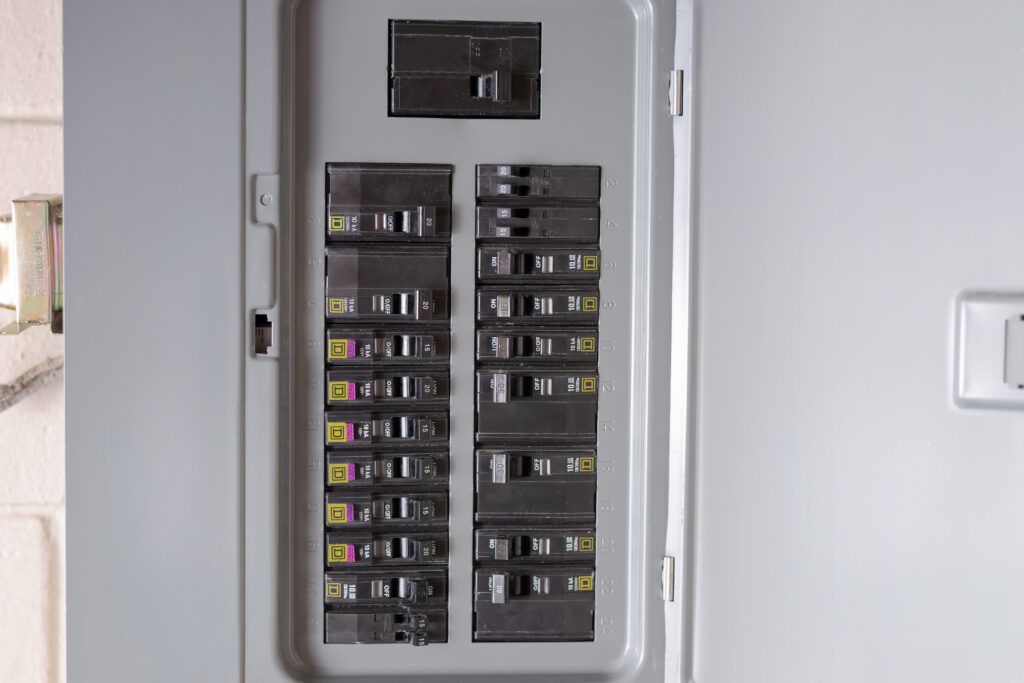
- Electrical Safety Inspections: Before connecting new exterior electrical loads to your main electrical panel, licensed electricians perform comprehensive inspections. They verify your panel's overall capacity, check existing circuit breakers and grounding systems, and inspect outdoor wiring to prevent circuit overloads, thermal hazards, and potential shock risks.
- Specialty Electrician Services: Experienced electrical specialists assist with advanced outdoor design techniques, including architectural wall-washing, underwater pool and fountain illumination, tree-mounted moonlighting, high-voltage patio additions, and custom low-voltage zoning for tailored evening entertaining environments.
Maximizing Long-Term Property Value, Curb Appeal, and Safety
While solar stakes carry a very low initial purchase price, their frequent replacement cycle, disposable nature, and dim light output mean they rarely add measurable financial value to a home. Disorganized, flickering, or broken solar lights can actually detract from your home's nighttime appearance and leave dark hazards unlit along steps, driveways, and entryways.
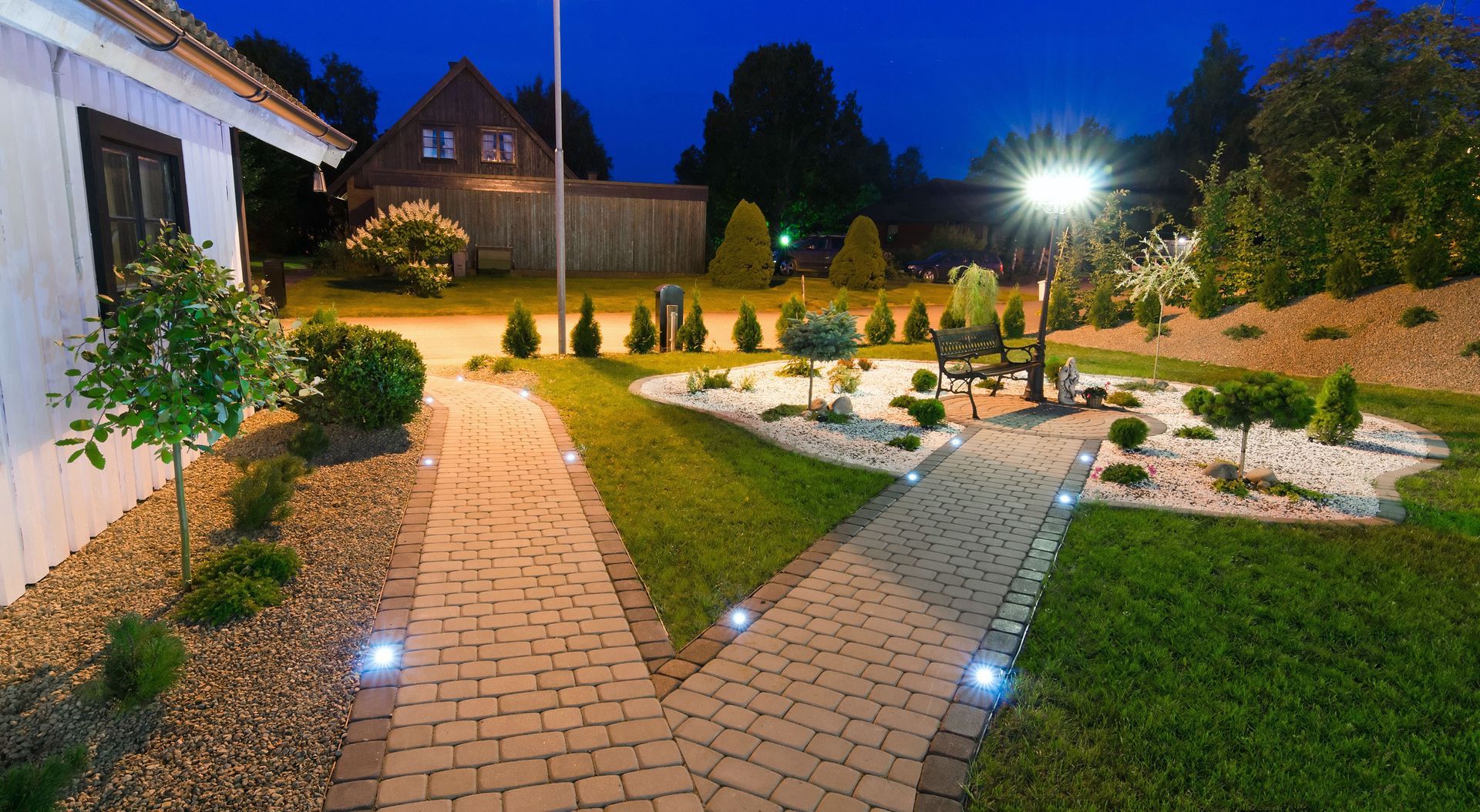
Investing in a professionally installed low-voltage landscape lighting system dramatically enhances curb appeal, increases nighttime security by eliminating dark hiding spots, and elevates outdoor living spaces for evening gatherings. Furthermore, a custom hardwired outdoor illumination system represents a permanent, high-value property improvement that increases overall home resale value and creates an immediate positive impression on prospective homebuyers.
Making the Right Choice for Your Outdoor Space
Selecting between solar fixtures and low-voltage systems ultimately comes down to your immediate goals, long-term expectations, and overall property vision. If you need a temporary, low-cost accent for a small garden bed or a rental property where permanent changes are not possible, solar stakes offer a quick, accessible entry point.
However, if your goal is to enhance safety, highlight your home's finest architectural features, extend the usability of your patio, and enjoy reliable illumination year-round, hardwired low-voltage landscape lighting is the clear superior choice. Partnering with licensed electrical professionals ensures your outdoor system is designed safely, engineered for long-term durability, and installed to deliver stunning nighttime beauty for years to come.
Ready to enhance your home's curb appeal, safety, and outdoor ambiance? Contact Clover Electric, Inc. today to schedule your professional landscape lighting consultation!