
A hot tub or spa makes a great addition to your deck, patio, or three-season porch. With careful planning and proper installation, you can ensure that your hot tub operates safely and reliably for many years. Before purchasing a spa, it’s important to know if your home’s electrical system can safely meet the power requirements.
There are two kinds of hot tubs: plug-and-play hot tubs that run on common 110V/15AMPs power with a GCFI (ground-fault circuit interrupter) outlet, and hard-wired hot tubs that run on 220V/50AMPS circuits. A unit that uses a 220V circuit is generally preferred, since it will have a larger heater to heat the water much faster. If the hot tub has multiple heaters, or is an exercise spa with multiple pumps to operate the jets, it will generally require 100 amps.
Professional Hot Tub Installation
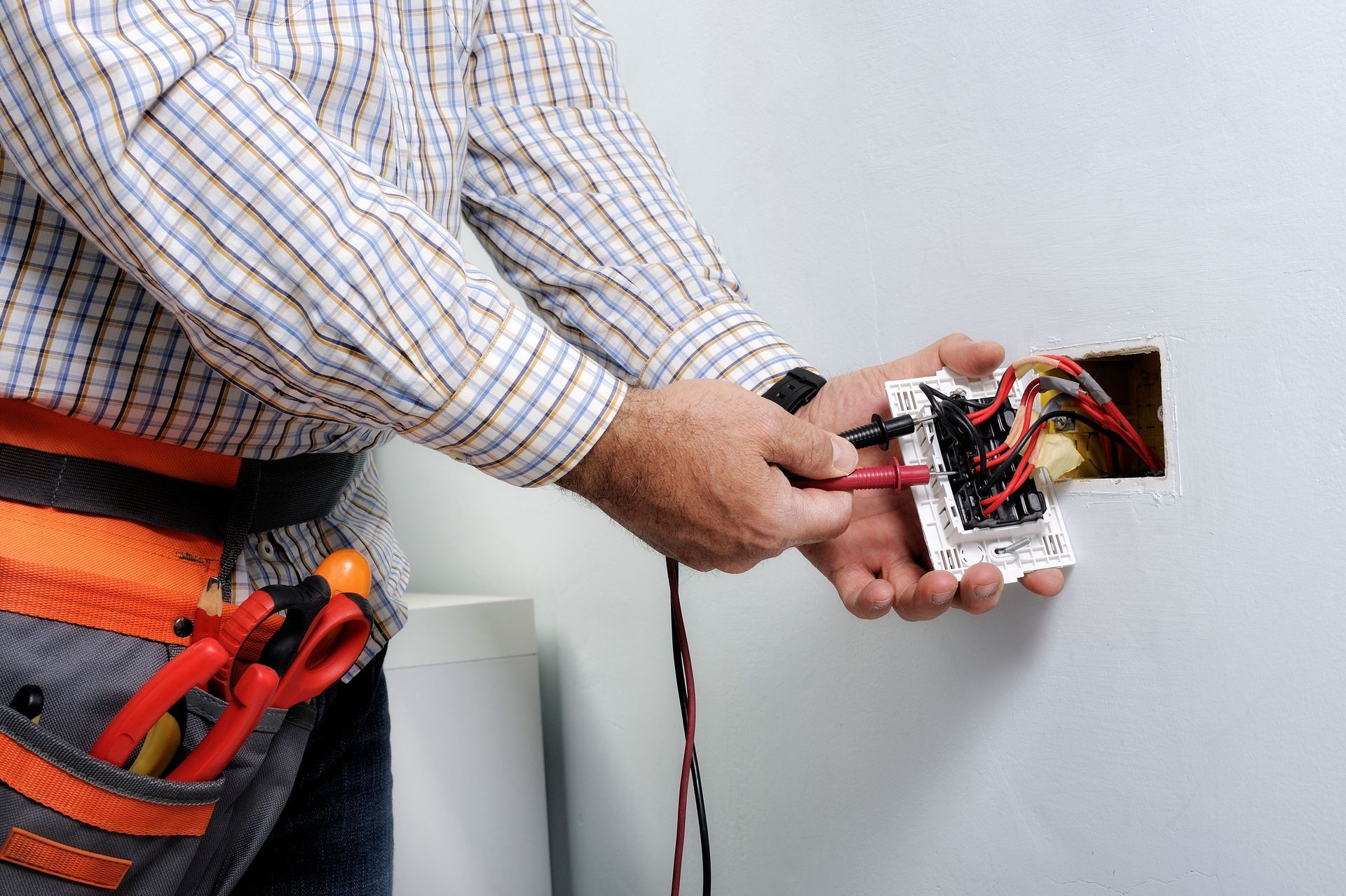
220V Hot tub circuit and GCFI installation should only be performed by a licensed electrician.
Your electrician will ensure that the following conditions are met:
- The hot tub at least 10 feet from overhead power lines.
- The unit is located in a space that doesn’t collect excess rainwater or falling leaves.
- The National Electrical Code (NEC) requires that an emergency shut-off switch (called a disconnect box) be installed at least five feet away from the hot tub, but directly within line of sight.
- The receptacle uses a GFCI protected circuit. This is a safety mechanism designed to automatically shut power off to the hot tub when a fault condition or power leak from one of the supply conductors to the ground is detected.
- The electrical circuit for the hot tub is dedicated and not shared with any other electrical appliances, which could cause overloading of the circuit.
- The proper wire gauge is used.
If the hot tub is a 110V (plug and play) and is plugged into a standard outlet, avoid plugging other electrical devices in at the same time as the hot tub, since it can cause tripping of the breaker and in some cases create a safety hazard.
If you’re installing a plug-and-play hot tub into an existing 110V GFCI receptacle, it’s still recommended that you have a licensed electrician inspect your installation. By testing the outlet, GFCI circuit and power supply, you’ll be reassured that your hot tub is operating safely and reliably.
Have questions about your hot tub or spa electrical installation? Give Clover Electric a call, we’re happy to help.