By Mike Talty
November 12, 2026
Outdoor lighting can make a significant difference in how a property looks and functions after sunset. A thoughtfully designed lighting system highlights attractive landscaping, improves visibility along walkways, and creates a more welcoming atmosphere around the home. It also allows homeowners to enjoy patios, gardens, and other outdoor spaces beyond daylight hours. Without proper illumination, certain areas of a yard may become difficult to navigate or remain hidden after dark. Professional landscape lighting can address these concerns while adding visual interest to the property's exterior. From subtle garden accents to brighter security lighting, the right fixtures can serve several purposes throughout the yard. Understanding the available options and their benefits can help homeowners create an outdoor environment that is both attractive and practical.
Highlight Landscaping Features With Accent Lighting
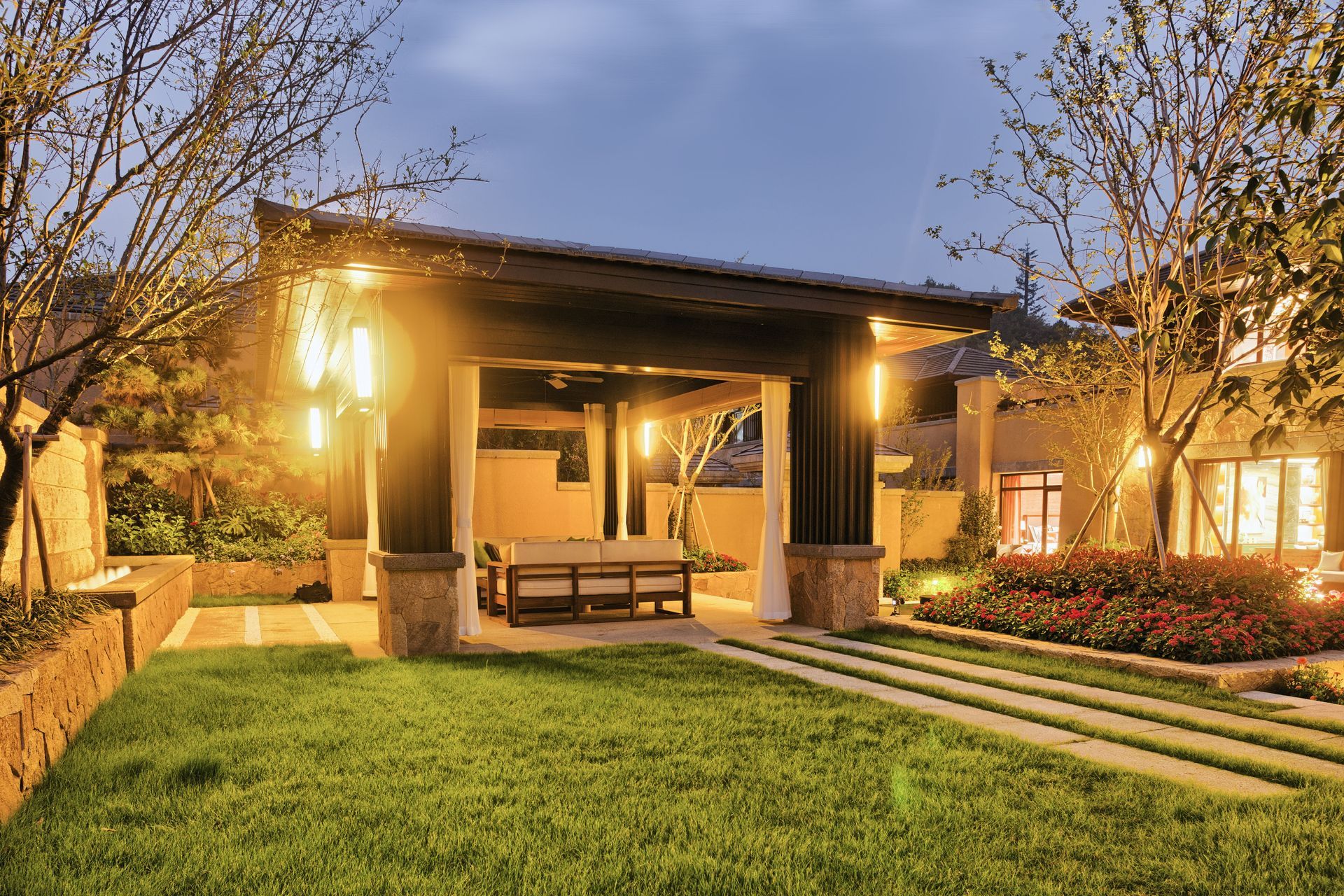
One of the most effective ways to improve an outdoor space is by using lighting to draw attention to its existing features. Trees, flower beds, decorative shrubs, stonework, and water features can all become focal points when illuminated properly. Accent lights create depth by highlighting specific areas instead of spreading the same level of brightness throughout the yard. Homeowners can use spotlights to illuminate larger trees or smaller fixtures to bring attention to garden details. Landscape lighting also allows property owners to showcase landscaping investments that might otherwise become difficult to appreciate after sunset. The placement and direction of each fixture are important because excessive brightness can create glare or overpower the surrounding environment. A balanced arrangement creates a more natural appearance while helping individual features stand out. Working with an experienced electrician can help homeowners determine which lighting options complement their property's layout.
Improve Visibility Along Walkways and Driveways
Walkways and driveways are important areas to consider when planning an outdoor lighting system. Insufficient illumination can make it difficult to identify changes in elevation, uneven surfaces, steps, or obstacles. Path lights provide consistent visibility while helping define the route between different areas of the property. Driveway lighting can also make it easier for residents and visitors to approach the home after dark. Landscape lighting placed along these areas can improve functionality without requiring excessively bright fixtures. Homeowners may choose low-profile lights that blend into garden beds or fixtures designed to coordinate with the property's exterior. Proper spacing helps distribute illumination evenly and reduces dark areas between fixtures. These improvements create a more accessible outdoor environment while contributing to the overall appearance of the home.
Create a More Inviting Patio and Entertainment Area
Outdoor living spaces often serve as extensions of the home's interior, especially when homeowners enjoy entertaining guests or spending time outside. However, patios, decks, and seating areas can become less comfortable when there is insufficient lighting. Installing suitable fixtures allows these spaces to remain functional after the sun goes down. Landscape lighting can include wall-mounted fixtures, recessed lights, string lighting, and other options that complement outdoor furniture and architectural features. Softer illumination can create a relaxing atmosphere for conversations and casual gatherings. Brighter task lighting may be useful near outdoor kitchens, grills, and food preparation areas. Homeowners should consider how each section of the space will be used before deciding where fixtures should be installed. A well-planned arrangement can make outdoor entertainment areas more versatile throughout the evening.
Increase Property Security With Exterior Illumination
Outdoor lighting can also contribute to a home's overall security by making important areas easier to see. Dark corners, side entrances, garages, and secluded sections of a yard may benefit from additional illumination. Motion-activated fixtures can provide light when movement is detected, helping homeowners identify activity around the property. Landscape lighting can be combined with security-focused fixtures to create a system that addresses both appearance and practical visibility. Lighting near entrances can also make it easier for residents to locate door locks and navigate steps when returning home at night. Homeowners should consider fixture placement carefully to avoid creating unnecessary glare for neighbors or drivers. Properly positioned lights can reduce dark areas without making the entire property excessively bright. Combining decorative and security lighting helps create an outdoor environment that feels more comfortable and easier to monitor.
Choose Energy-Efficient Fixtures for Long-Term Use
Energy consumption is an important consideration when selecting outdoor lighting. Since exterior fixtures may operate for several hours each evening, choosing efficient products can help manage ongoing electricity costs. LED lighting is a popular option because it generally uses less electricity and has a longer operating life than traditional incandescent bulbs. Homeowners can also consider timers, photocells, and smart controls to manage when fixtures turn on and off. These features help prevent lights from remaining on unnecessarily during daylight hours. Landscape lighting systems can incorporate different lighting zones so that homeowners only illuminate the areas they need. Selecting weather-resistant fixtures is equally important because outdoor equipment must withstand moisture, temperature changes, and other environmental conditions. An electrician can help evaluate available products and recommend an arrangement that balances energy use, durability, and illumination needs.
Coordinate Lighting With the Home's Exterior Design
Outdoor lighting should complement the architectural features and landscaping of the property rather than appear disconnected from them. Fixture styles, finishes, brightness levels, and color temperatures can all influence the final appearance. Warm lighting often creates a welcoming atmosphere, while cooler tones may be suitable for certain modern exterior designs. Landscape lighting can be used to emphasize columns, exterior walls, stone pathways, garden borders, and other architectural details. Homeowners should also consider how fixtures will look during the daytime when they are not illuminated. Choosing designs that coordinate with existing outdoor features can help maintain a consistent appearance throughout the property. Professionals can recommend fixture locations that highlight attractive details without drawing attention to less desirable areas. A coordinated lighting plan creates a more polished exterior while making the outdoor environment enjoyable after dark.
Plan Installation Around the Property's Lighting Needs
Every property has different lighting requirements based on its size, layout, landscaping, and intended use. A smaller yard may only need a few pathway and accent fixtures, while a larger property could benefit from several lighting zones. Before installation begins, homeowners should identify the areas they want to illuminate and consider how the system will function throughout the evening. According to HomeAdvisor, straightforward outdoor lighting installations generally take one to two days, while more elaborate systems involving multiple fixtures can require a week or longer. The actual timeline depends on the property's layout, wiring requirements, fixture selection, and project complexity. Landscape lighting should also be planned with attention to electrical safety and appropriate outdoor-rated equipment. Professional installation helps ensure that wiring, connections, and fixtures are suitable for their intended locations. Careful planning can make the installation process more organized while helping homeowners achieve the desired results.
Maintain Outdoor Fixtures for Consistent Performance
Once an outdoor lighting system is installed, routine maintenance helps keep it functioning properly. Dirt, leaves, moisture, and other outdoor debris can accumulate around fixtures and affect their appearance or performance. Homeowners should periodically check that lights are working and that fixtures remain properly positioned. Landscape lighting may also require occasional adjustments as trees, shrubs, and other plants grow. Trimming vegetation around fixtures can prevent unwanted obstructions and help maintain the intended lighting effects. Damaged wiring, loose connections, and malfunctioning fixtures should be evaluated by a qualified professional rather than handled without the appropriate experience. Replacing worn components when necessary can help prevent minor problems from affecting the larger system. Consistent maintenance supports dependable illumination and helps homeowners continue enjoying their outdoor spaces.
A well-designed outdoor lighting system can improve visibility, highlight landscaping, and make exterior spaces more enjoyable after dark. From illuminating walkways and entertainment areas to emphasizing architectural details and improving security, the right fixtures can serve several purposes around the property. Choosing appropriate products and planning their placement carefully helps create a balanced system that complements the home's exterior. Clover Electric, Inc. can help homeowners explore professional electrical solutions for their outdoor lighting needs. Whether you are updating an existing setup or planning a new installation, working with experienced professionals can help ensure the project is completed with attention to safety and functionality. Contact us to discuss your outdoor lighting project and discover how the right lighting can enhance your property's appearance and usability.