By Mike Talty
August 14, 2026
As the seasons change and weather becomes unpredictable, homeowners face the growing threat of severe storms. High winds, heavy snowfall, ice accumulation, and intense thunderstorms all share one consequence: devastating power outages. When the electrical grid fails, the disruption extends far beyond sitting in the dark. Prolonged blackouts lead to spoiled groceries, flooded basements from inactive sump pumps, freezing indoor temperatures, and the failure of critical medical devices. To protect your family and property, proactive preparation is essential. The most effective way to safeguard your residence is by investing in a permanent, automated solution. For true peace of mind, a professional whole home generator installation is the ultimate defense. Our team is committed to helping you fortify your home with reliable backup power, ensuring you never have to worry about being left in the dark before the next major storm strikes.
Understanding the Impact of Severe Storms
Millions of households experience unexpected power losses annually. Aging utility infrastructure is often no match for the sheer force of mother nature. Severe thunderstorms easily snap large branches, bringing down local power lines and transformers. During winter, heavy ice weighs down wires, leading to catastrophic grid failures that can take utility companies days or even weeks to fully repair.
During extended blackouts, your home is highly vulnerable. Without electricity in the summer, cooling systems cease functioning, creating dangerously hot indoor environments. In winter, freezing temperatures threaten to burst pipes. Without power to your sump pump, groundwater can quickly flood your basement, causing thousands of dollars in devastating water damage. A reactionary approach — scrambling for flashlights or small battery packs — is completely insufficient for modern households that rely heavily on consistent electricity for safety and daily tasks.
Recognizing the Benefits of Backup Power
When evaluating emergency power solutions, many homeowners initially consider portable generators. While these units can run a refrigerator or a few lights temporarily, they have significant drawbacks. Portable generators require manual setup in dangerous, stormy conditions, demand constant refueling, pose severe carbon monoxide risks if improperly placed, and offer limited power capacity. Furthermore, during a widespread outage, gas stations may be closed, making it impossible to find fuel.
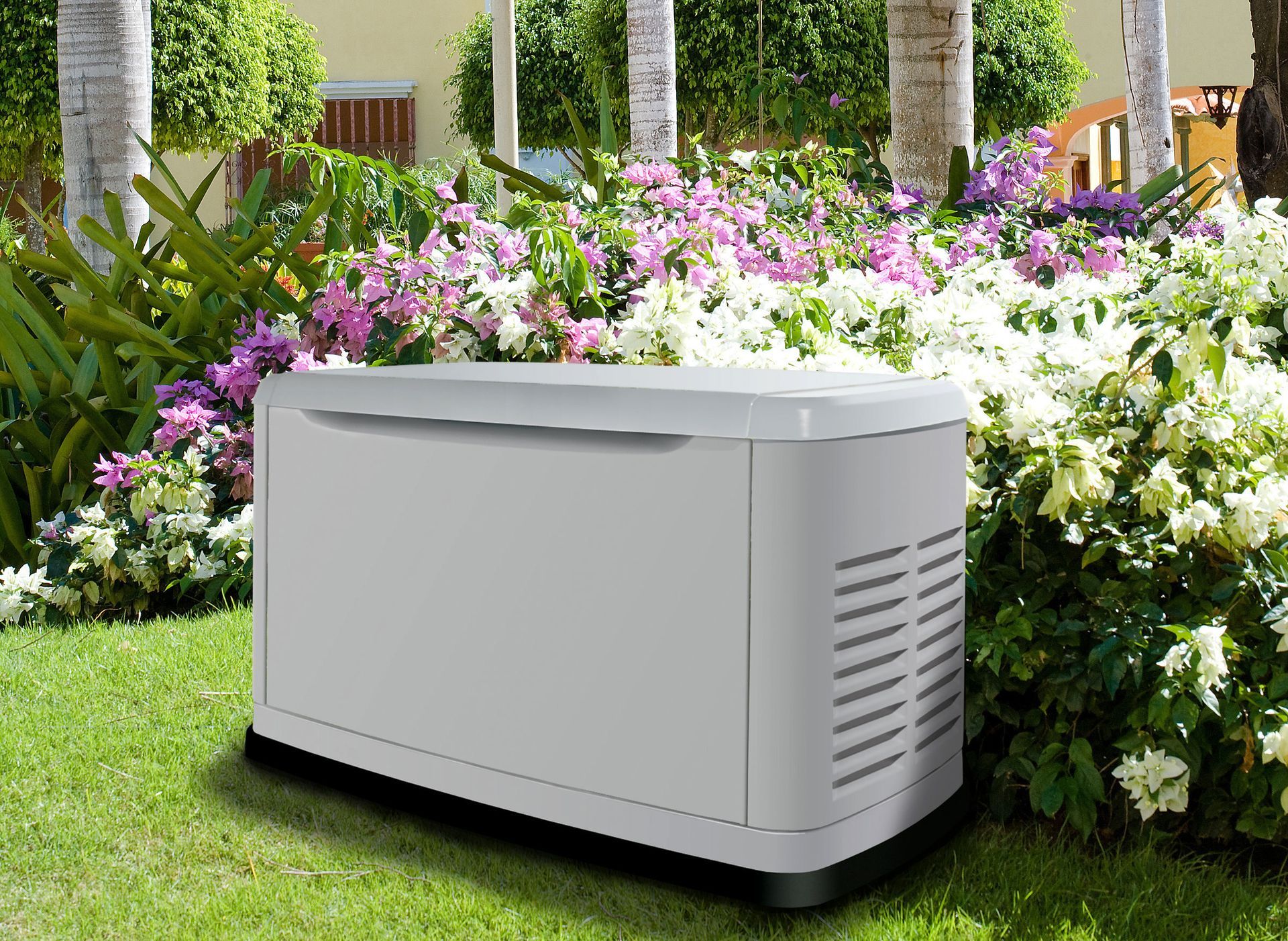
Conversely, a permanent standby generator offers a completely automated, hands-off experience. Connected directly to your home’s electrical panel and running on your existing natural gas or liquid propane lines, a standby system detects grid failures immediately. Within mere seconds, it restores power to your entire house automatically. By opting for a whole home generator installation, you ensure life continues uninterrupted. Your HVAC system keeps running, your food stays fresh, and your family remains perfectly secure, making it an invaluable investment.
Determining Your Home’s Electrical Needs
Before proceeding with a whole home generator installation, you must accurately assess your specific energy consumption. Every household is completely different, and the required power depends on your home's square footage and essential emergency appliances. An accurate electrical load calculation ensures your backup power system performs perfectly when needed most, preventing frustrating overloads.
Start by listing the systems you absolutely cannot live without during an emergency. Essential items typically include your refrigerator, freezer, well pump, sump pump, furnace blower, central air conditioning, water heater, and security system. You must also account for any specialized home medical equipment, such as CPAP machines or oxygen concentrators, which require continuous power.
Understanding the difference between running wattage and starting wattage is incredibly critical. Motorized appliances, like central air conditioners, require a massive surge of electricity — sometimes triple their normal operating wattage — just to start. If your generator isn't sized for these starting loads, it will overload and shut down.
Selecting the Right Generator Capacity
After tallying the running and starting wattages of essential household appliances, you can determine the overall capacity required for your new standby system. Sizing a generator accurately is a delicate balance; you do not want a unit that is too small, which can cause severe voltage drops that damage sensitive electronics, nor do you want to overpay for a massive commercial-grade unit.
To find the perfect middle ground, a strategic buffer must be built into your calculations. According to This Old House, a generator should be rated 10% to 20% above total estimated wattage needs to ensure reliable performance. This crucial safety margin ensures your system never operates at its absolute maximum capacity for extended periods, preventing excessive engine wear and tear.
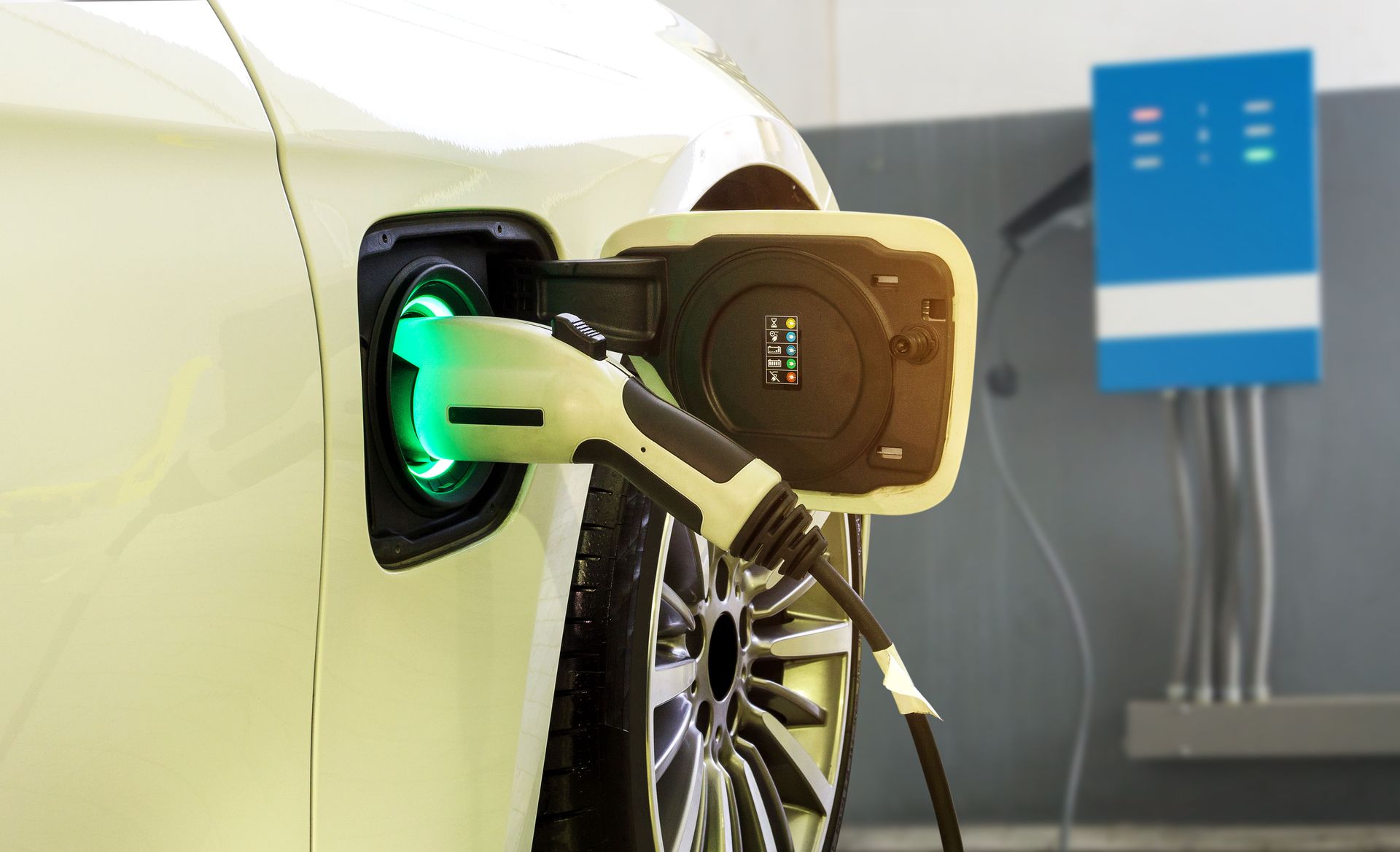
Furthermore, this wattage buffer allows for future expansion. If you add large appliances, build a home addition, or purchase an electric vehicle later, that extra capacity guarantees your generator still meets demands. Proper sizing remains the absolute cornerstone of any successful whole home generator installation.
Navigating the Generator Installation Process
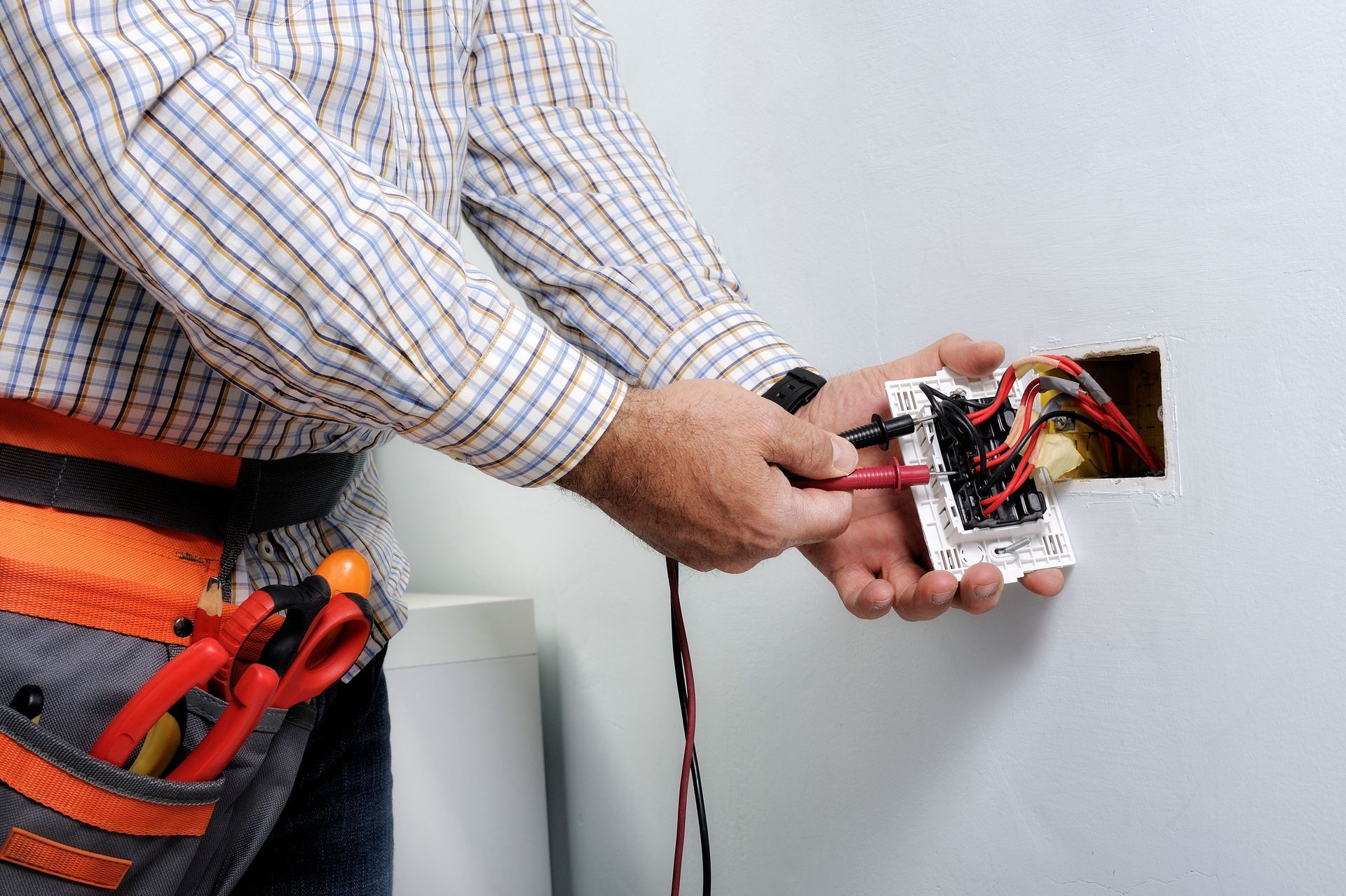
Adding a standby generator to your property is definitely not a weekend DIY project. It involves dangerous high-voltage electrical work, securing municipal permitting, gas line trenching, and strict adherence to local building codes. Due to the inherent complexities and safety risks, a whole home generator installation must always be handled by licensed, highly experienced electrical contractors.
The process begins with a comprehensive site evaluation. A professional electrician inspects your electrical panel to ensure it can accommodate an automatic transfer switch (ATS). The ATS is the system's "brain," safely disconnecting your home from the utility grid and shifting the electrical load to the generator during an outage.
Next, the installation team prepares a stable concrete or gravel pad for the unit, positioning it safely away from doors and air intakes to prevent deadly exhaust fumes from entering the home. After placement, they meticulously connect fuel lines and integrate the electrical wiring. Finally, the system undergoes rigorous simulation testing to guarantee smooth power transfers under real-world blackout conditions.
Maintaining Your Generator for Maximum Reliability
Once your new system is fully set up and operational, proactive maintenance ensures it remains ready for the next severe storm. A standby generator is essentially a powerful internal combustion engine that requires regular, ongoing upkeep to perform reliably over an extended period of time.
Fortunately, modern standby generators run self-diagnostic tests automatically. In our experience, a standby unit will turn itself on for about 10 to 15 minutes weekly to ensure the engine remains lubricated and the alternator functions properly. However, this automated testing is only one part of the overall maintenance equation.
To protect the major financial investment of your whole home generator installation, schedule professional maintenance annually. During this visit, an expert technician changes the oil, replaces air filters, inspects spark plugs, checks the battery, and verifies fuel connections. They also clear out any debris or pest nests inside the housing. Regular servicing drastically minimizes unexpected breakdowns and maximizes your backup power system's lifespan.
Partnering With Professionals for Your Project
When severe weather strikes and your neighborhood suddenly goes dark, you want absolute confidence that your family will remain safe, warm, and comfortable. Achieving that true peace of mind starts with choosing the right local professionals. Our team has built a long-standing, stellar reputation for excellence, safety, and an unwavering dedication to complete customer satisfaction. We deeply understand the local power challenges and possess the exact technical expertise to seamlessly solve them.
From the initial electrical load calculation to the final comprehensive safety inspection, our skilled team manages every single aspect of your whole home generator installation. We handle the complex permitting processes, coordinate closely with local utility companies, and ensure every wire, switch, and gas line is perfectly installed up to the latest codes. Our licensed electricians treat your home with the utmost respect, delivering a highly efficient and thoroughly tested final product.
Don't wait until severe storm warnings are already broadcasting on the local news. Take proactive steps today to secure your personal energy independence. Contact Clover Electric, Inc to schedule a comprehensive consultation and discover how a customized whole home generator installation can provide you and your loved ones with reliable, continuous power for many years to come.