

Smart home technology is not just about cool gadgets. When you connect lighting, thermostats, and major systems to a single plan, you can make your house more comfortable and use less energy at the same time. Small automations add up when they match the way you actually live, instead of forcing you into rigid schedules. Clover Electric in Cleveland, OH, helps homeowners sort through their options so they can invest in smart upgrades that make sense for their home and utility bills.

Start With Smart Thermostats For Seasonal Control
Heating and cooling usually make up the largest slice of your energy bill, especially in a climate with cold winters and warm summers. A smart thermostat gives you tighter control over when and how your system runs. Instead of setting one number and leaving it, you can build schedules that match how you move through the day. You might keep the house cooler at night for sleeping, warm it before you wake up, then let the temperature drift a little when everyone is at work or school. Many models learn patterns and suggest changes based on your habits, so you are not stuck programming tiny steps on a small screen.
Location matters as well. A smart thermostat reads the temperature where it sits, which may not match the bedroom or family room. Some systems support remote sensors that you can place in different spaces. The thermostat can then average those readings or favor certain rooms during set periods. That helps avoid situations, such as when the hallway feels fine while your living room still feels chilly. When outdoor weather swings from snow to a mild afternoon, a smart thermostat can adjust equipment stages or fan settings so your system runs longer at lower output instead of short, hard cycles that waste energy.
Smart Lighting That Fits Your Routine
Lighting might not seem like a big deal until you think about how many fixtures stay on during winter evenings. Smart lighting lets you cut waste without walking from room to room flipping switches. You can replace standard bulbs with smart versions in lamps and overhead sockets, or install smart switches that control existing fixtures. Either way, you gain the option to schedule lights, dim them, or group them into scenes. For example, you might have a “coming home” scene that turns on entry lights, a path through the hallway, and the kitchen, then shuts them all down at bedtime.
Motion-based controls add another layer. Hallways, basements, and pantries often have lights left on after someone leaves. A sensor can turn on the light when it detects movement and turn it off after a short period of stillness. That saves power and makes dark spaces safer during winter when the sun sets early. Smart dimming also helps. Lowering brightness in some rooms in the evening reduces consumption and creates a calmer environment for winding down. With a mix of schedules, dim levels, and occupancy controls, you can cut wasted energy from forgotten lights without nagging everyone in the house.
Energy-Monitoring Devices and Data You Can Use
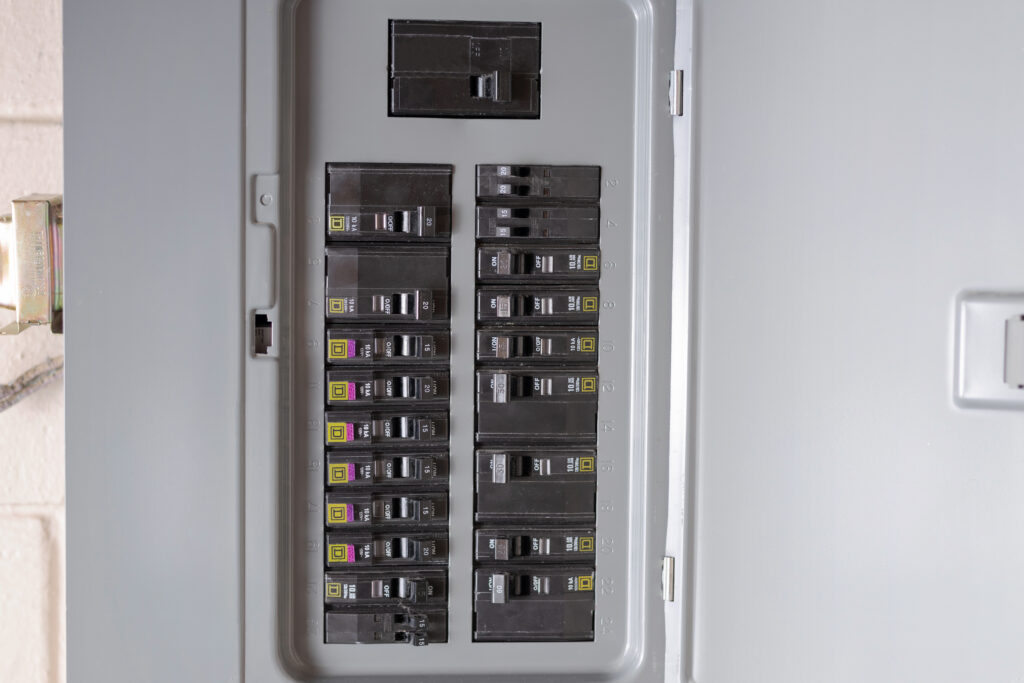
Smart meters give your utility information, but energy monitoring inside your home gives you usable details. Whole-home monitors connect near your electrical panel and read how much power the house uses minute by minute. Some systems also track individual circuits, so you can see how much your electric heat, air conditioning, water heater, or workshop draws. A clear view of those patterns makes it easier to spot waste. You might notice that an old freezer in the garage draws far more than you thought or that your usage spikes every time electric backup heat turns on.
Many monitoring systems send alerts when loads rise beyond a set point or when something behaves in a way that looks different from the usual pattern. That sort of notification can point you toward a failing motor in an air handler or a water heater that runs much longer than it should. During winter, you can watch, via the energy-monitoring device, how much extra power space heaters add when they run for hours. In summer, you can compare how different thermostat settings influence cooling use on hot days. Over a few weeks, the data shows where upgrades or repairs would make the biggest difference for comfort and utility costs.
Smart Plugs and Load Control for Everyday Devices
Many small devices sip power even when they sit in standby. Game consoles, streaming boxes, speakers, and chargers draw current as long as they stay plugged in. Smart plugs give you a simple way to control those loads. You plug the device into the smart plug, then plug the smart plug into a wall outlet. Through an app or hub, you can set schedules so some devices shut off at night or during work hours. A television setup in a rarely used room does not need live power all day. A smart plug can cut that draw and bring it back only when you plan to use it.
Smart plugs also help with fans and some window units to turn on when they receive power. You can schedule a bedroom fan to start before bedtime and stop in the morning. That stops it from running all day. You should avoid using smart plugs with high-draw items, like space heaters, unless the plug and circuit are rated for that load and an electrician signs off on that setup. A professional can point out which devices fit this control method and which should be on dedicated circuits. With the right mix, you can trim steady background use without losing convenience.
Compatibility, Wiring, and Professional Support
Before you start stacking smart devices, it helps to look at the bones of your electrical system. Older homes may lack neutral wires in switch boxes, which many smart switches need. Some panels already work near capacity and may not support new circuits for dedicated equipment. Wireless coverage can also limit where you can place hubs, sensors, or cameras. A clear picture of your wiring, panel space, and network helps avoid frustration later.
Professional electricians and HVAC technicians can evaluate whether your current setup can support smart thermostats, advanced lighting, and monitoring hardware. They know how to wire new controls so furnaces, air handlers, and heat pumps stay within manufacturer guidelines. They can check that smart switches and outlets have the right grounding and are placed on circuits that match their ratings. With expert planning, your upgrades feel smooth rather than pieced together.
Make Your Smart Home Work Harder for You
Smart technology should make daily life easier while trimming waste, and should not give you another app to babysit. When you align connected thermostats, lighting controls, and smart plugs around clear goals, you get a home that feels more comfortable and uses power more thoughtfully. Electrical pros can help you design the backbone for that system, from safe wiring and circuits to installed devices that talk to each other reliably. At Clover Electric, we handle smart thermostat setup, lighting, and outlet upgrades as well as electrical work that supports long-term home automation plans.
If you are ready to put smart tech to work for your energy use, schedule a consultation with Clover Electric today.