

Water and electricity do not mix, yet many homes have roof leaks, damp basements, or plumbing issues near electrical components at some point. When water reaches wiring, outlets, or your electrical panel, there’s a risk of damage and harm. At Clover Electric, Inc., in Chagrin Hills, OH, we want you to understand how water affects your electrical system, the warning signs to notice, and how to respond safely to protect your home.
How Water Reaches Your Electrical System
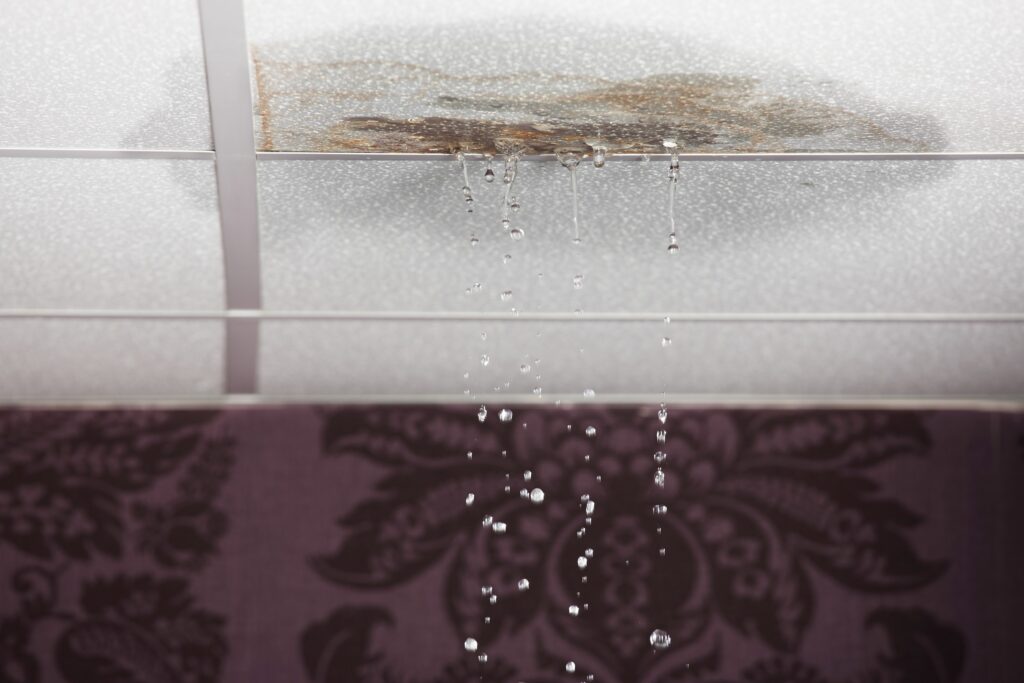
Water can reach “live” electrical parts in more ways than you might think. A roof leak can drip into junction boxes, light fixtures, or outlet boxes before you ever see a wall or ceiling stain. Storm-driven rain can sneak around window or door frames and run down inside the wall to the nearest electrical box. In lower levels, flooding from heavy rain, foundation seepage, or sump pump failures can surround outlets, power strips, and extension cords. A burst pipe in a wall or above a ceiling can soak insulation, framing, and wiring long before you see a damp spot indoors.
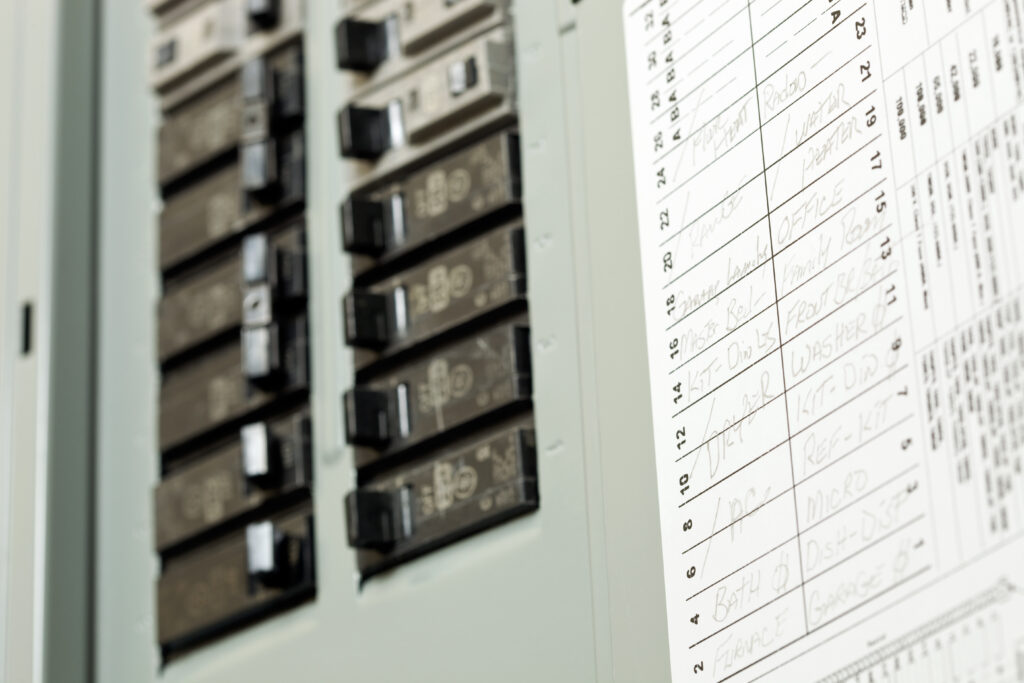
Moisture that gathers near an outlet, panel, or cable run can corrode metal parts and weaken insulation around conductors. In a panel, rust on breakers or bus bars changes how those parts carry current and can lead to hot spots. In crawl spaces and basements, standing water or constant dampness around junction boxes and cable runs creates shock hazards for anyone who walks or works in those areas. Once water is present, you must assume that something in that path may be damaged until a professional checks it.
Warning Signs and Why They Matter
Your electrical system often gives early clues that water has started to cause damage. Breakers that trip and will not reset after a leak or flood are a common warning sign. You might notice lights flickering or dimming in one area of the house, especially if nearby outlets or switches feel damp or show signs of stains. Some outlets may stop working completely after a storm, while others feel warm, discolored, or have rust at the screws or cover plate. Ground fault outlets in kitchens, bathrooms, garages, and outdoor areas may refuse to reset after they sense a fault caused by moisture.
Your senses can pick up other signs. You may smell a sharp, metallic, or burnt odor near an outlet, switch, or panel that recently got wet. Buzzing, crackling, or popping sounds around electrical equipment are serious warnings that arcing may be happening. Walking on a wet floor near live outlets, cords, or appliances adds more risk because water can carry current across a much wider area. In a flooded basement, water can encounter energized parts you cannot see, turning a simple step into a shock hazard. That is why any mix of standing water and electrical gear should be treated as an urgent problem.
Safe Next Steps and When to Call an Electrician
If you discover water near outlets, switches, or your panel, start with safety. If you can reach your main breaker without crossing standing water, you can shut off power to the affected area or the whole house. If you must walk through water or touch wet surfaces to get there, stay out of the space and call for help instead. Do not plug in fans, dehumidifiers, or vacuums in the wet area to “dry things out” unless a professional says that the circuit is safe to use. It is better to wait for an electrician than to risk shock.
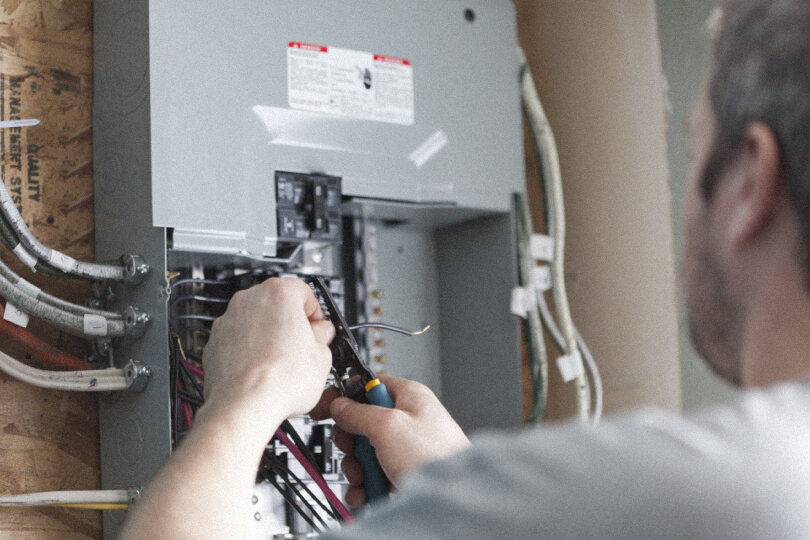
Avoid pulling outlets out of boxes, removing cover plates, or trying to dry wiring with towels or home tools. An electrician who has testing equipment and protective gear should perform the electrical work. Our electricians can open boxes and the panel to look for rust, damaged insulation, and signs of arcing. We’ll test circuits to see whether moisture has created hidden paths for current. Outlets, switches, breakers, or sections of cable that exhibit signs of damage may need to be replaced. After major flooding, local code officials or your utility company may also require an inspection before power is restored, which your electrician can help coordinate.
Plan Your Next Step
Water damage and electrical problems create a risky mix that you should never ignore. Roof leaks, plumbing failures, and basement floods can cause damage to outlets, wiring, and panels. When you act quickly, shut off power safely, and bring in a licensed electrician, you can protect your home and restore functionality. We inspect water-damaged electrical systems, repair or replace affected components, and help you improve protection in areas that may experience moisture again. If you suspect that water has reached your wiring, outlets, or panel, contact Clover Electric, Inc. to schedule an electrical evaluation.