

Short days, long nights, and cold snaps all push your electrical system harder in the winter. Space heaters run more often, lights stay on longer, and holiday decorations add extra demand on outlets and circuits. That extra load can expose weak wiring, tired outlets, or bad habits that never caused trouble in milder weather. At Clover Electric, we help Cleveland, Ohio, homeowners make simple changes that keep homes safer when the temperature drops and your system has more to do.

Use Space Heaters and Extension Cords With Care
Portable heaters help take the chill out of a bedroom, basement, or home office, yet they deserve careful use. A space heater should sit on a flat, solid surface where kids and pets will not bump it. Keep it well away from curtains, bedding, furniture, and stacks of papers. Plug heaters into a wall outlet, not a power strip or extension cord. Those extra devices can overheat and start a fire when they carry more current than they were made to handle. If a heater cord feels hot to the touch or the plug looks discolored, unplug it and stop using that unit until a professional checks it.
Extension cords need the same level of attention. Many people drag out old cords from the back of a closet for holiday decorations or temporary setups. Before you plug anything in, look for cracks in the insulation, flattened spots, or exposed copper. Indoor cords belong indoors. Outdoor cords should be rated for outside use and for the load you plan to place on them. Avoid running cords under rugs or door mats, since that traps heat and hides damage. If you need a long-term solution for a space, a licensed electrician can install permanent outlets where you need them, instead of relying on cords all winter.
Prevent Overloaded Circuits and Check Your Panel
Winter is a common time for homeowners to notice that certain circuits struggle. Maybe the lights dim a bit when a space heater kicks on, or a breaker trips when you run a vacuum and a portable heater in the same room. These patterns can signal that a circuit carries more than it should. Warm wall plates, faint burning smells, buzzing at outlets, or frequent trips at the same breaker all deserve attention.
Holiday lighting can quietly add extra strain to outlets and circuits during the winter. Use LED lights when possible, avoid plugging too many strands into one outlet, and make sure all outdoor lights are rated for exterior use and connected to GFCI-protected outlets.
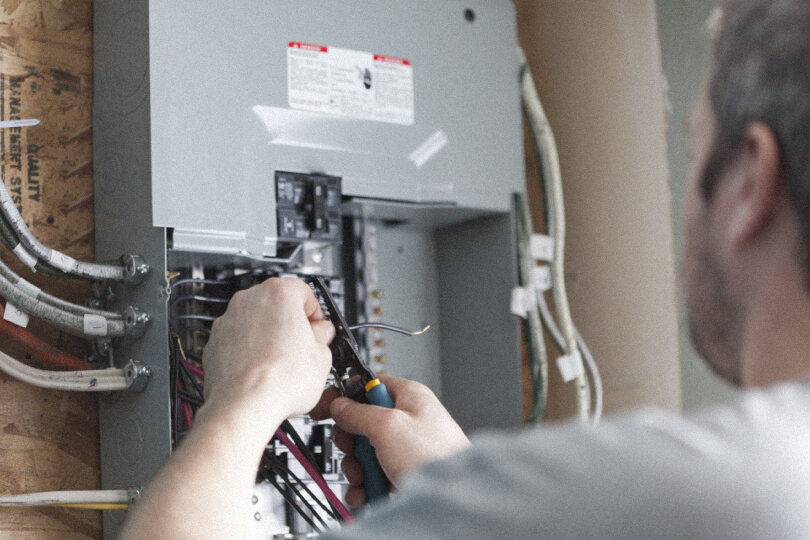
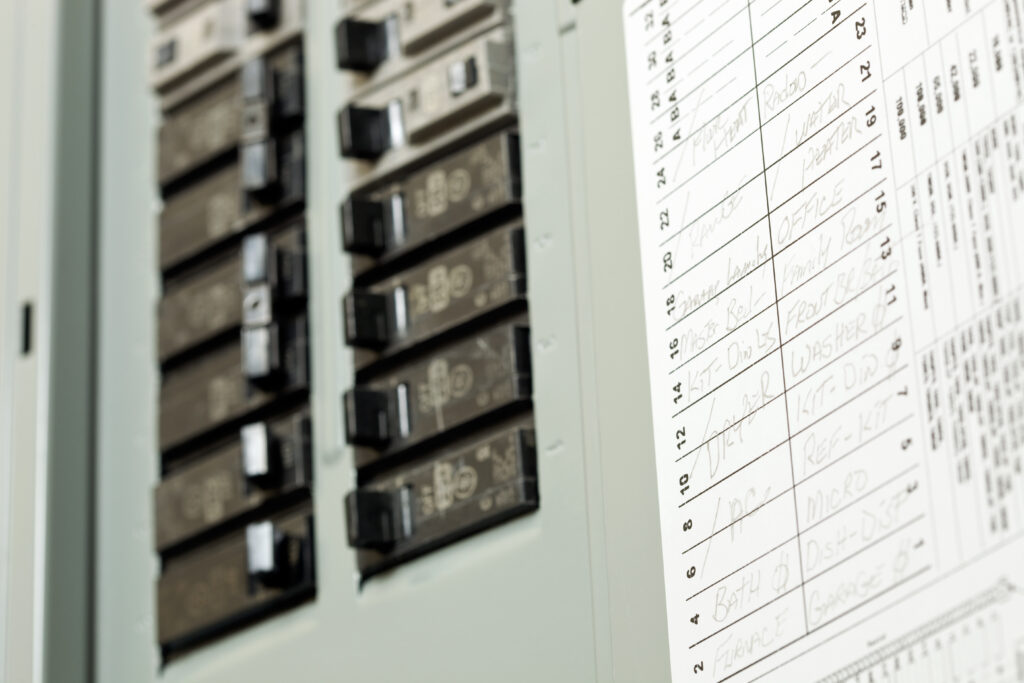
Your electrical panel also needs some care during the colder months. Make sure the area in front of it stays clear so that you can reach the breakers quickly if something trips. Look at the panel cover and the surrounding wall for rust, water stains, or signs of past moisture. Those marks can hint at roof leaks or condensation in that area, both of which affect metal parts inside. Cold winter air can cause condensation to form near outlets and exterior walls, which introduces moisture where it does not belong and increases the risk of electrical damage. If you see unlabeled breakers, double-tapped wires under one screw, or breaker handles that feel loose, an inspection from a licensed electrician is a smart winter project. A professional can tighten connections, balance loads, and recommend upgrades before the deepest cold arrives.
Test Smoke and Carbon Monoxide Detectors During Heating Season
When windows stay closed, and furnaces, fireplaces, and generators run more often, the risk from smoke and carbon monoxide goes up. Smoke detectors and carbon monoxide detectors are simple devices, yet they stand between your family and serious harm. Winter is a good time to test every unit in the house. Press and hold the test button until you hear the alarm. If a device does not sound or gives weak beeps, replace the battery or the entire unit if it is past its rated life.
You should have smoke detectors on every level of the home and near sleeping areas. Carbon monoxide detectors belong near bedrooms and in areas where fuel-burning appliances sit nearby. Keep generators outdoors and well away from doors, windows, and vents, even on the coldest days. Never use an oven or grill to heat a room. If any detector sounds and you feel lightheaded, dizzy, or sick, move outside at once and call emergency services. After everyone is safe, an electrician and heating professional can help track down sources and correct them.
Plan Your Winter Electrical Checkup
Staying safe through an Ohio winter comes down to habits and timing. Regular testing of smoke and carbon monoxide detectors and a clear path to your panel add another layer of protection. At Clover Electric, we offer electrical inspections, outlet and circuit upgrades, panel service, and detector installation to support safer winter living.
If you want your electrical system ready for the next cold front instead of reacting to a problem in the dark, schedule a winter safety visit with Clover Electric today.