

Household electrical demands have continually increased over the years. However, many older homes were wired for a time when far fewer bathroom and kitchen appliances were used. Additionally, modern appliances require more electricity compared to older ones. Nowadays, kitchens are outfitted with toasters, blenders, microwaves, air fryers, and espresso machines. Popular bathroom items include curling irons, hair dryers, and modern lighting, which may use the same circuit as the kitchen. This increased demand can put extra strain on an older electrical system. Even if an older system still seems like it works fine, that doesn’t mean it is safe or efficient.
Why Kitchens and Bathrooms Put the Most Stress on Older Electrical Systems
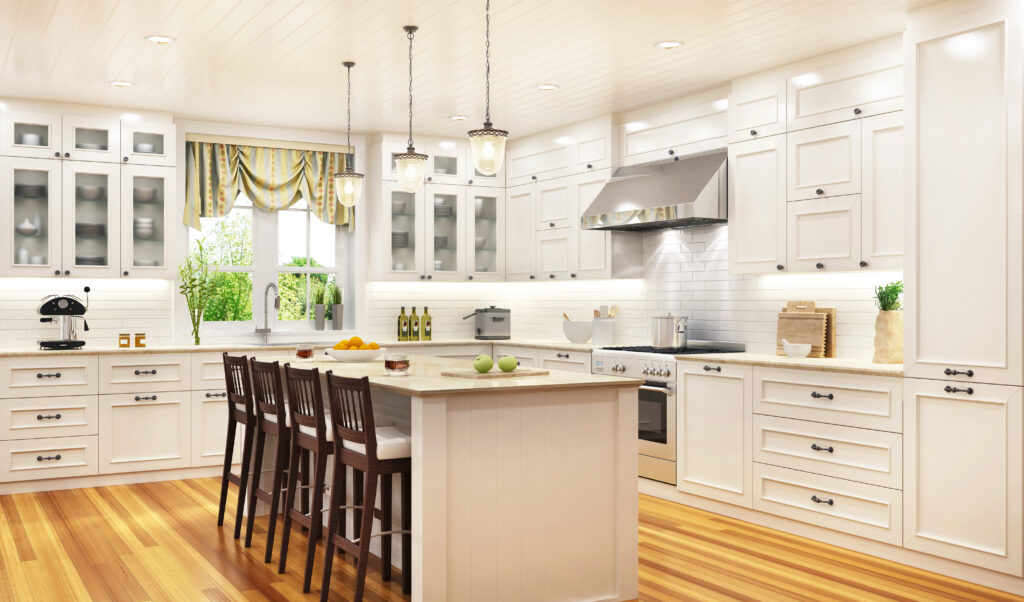
Kitchens and bathrooms are typically among the highest-demand areas in the house. That’s partly because of frequent appliance use and also because many of the appliances commonly used in these areas have high electrical loads. The biggest issue with kitchens is stacking multiple high-wattage appliances on nearby outlets connected to the same circuit. Both kitchens and bathrooms can also have moisture-related safety concerns. GFCI outlets are recommended for these areas to reduce the risk of electrical shock around water.
What Older Homes Were Originally Wired to Handle
Many older homes have electrical systems that were designed before households started relying on so many appliances. They frequently have issues, such as aging wiring, not enough outlets, or an undersized electrical panel that can’t handle modern demands. Overloaded circuits in older homes are an especially common problem that results from multiple rooms sharing a single circuit. At Clover Electric, we’re familiar with the unique electrical challenges many homes face. We are dedicated to providing safe, code-compliant upgrades. Our electricians can handle everything from repairs and panel replacement to circuit installation and rewiring.
Common Signs an Older Home Cannot Keep Up
Older homes and electrical problems often go hand-in-hand. Many common issues you can encounter may seem like a minor annoyance when they’re actually a warning sign of electrical trouble. This includes issues such as:
- Frequently tripping breakers
- Flickering or dimming lights
- Buzzing sounds from outlets or switches
- Outlets or switches that feel warm
- The need to use power strips
- Lack of GFCI protection
Why Kitchens Often Reveal Electrical Problems First
Older home electrical problems often first appear in the kitchen. In addition to stoves, refrigerators, and dishwashers, smaller appliances strain the system.
Too Many High-Wattage Appliances on the Same Circuit
Modern electrical systems usually have one or two dedicated 20-amp circuits that serve outlets above countertops. In older homes, the outlets and lights in the kitchen and the nearby rooms are often on a single circuit. This often leads to issues like the circuit getting overloaded and the breaker tripping. This usually happens when you need to use multiple appliances simultaneously, such as during the morning rush or when preparing meals.
Not Enough Outlets for Modern Countertop Use
Many older kitchens simply weren’t designed for the number of appliances and devices modern families use daily. That means you may often encounter issues with not having enough outlets to meet your needs. Additionally, overloaded circuits in older homes limit the number of appliances that can be used at the same time.
Temporary Fixes Become Permanent Habits
When there aren’t enough available outlets in the kitchen, many homeowners turn to using power strips or outlet multipliers. While these solutions can be a temporary workaround in a pinch, they indicate that you don’t have sufficient electrical capacity and can also pose safety hazards.
Why Bathrooms Create a Different Kind of Risk
Outdated electrical wiring in your bathroom can pose similar problems as it does in a kitchen. However, it also poses a greater threat of moisture exposure.
High-Demand Devices in Small Spaces
Curling irons, electric beard trimmers, and especially hair dryers and space heaters pull significant power. With an outdated electrical system, this high demand often leads to the breaker tripping. This is especially true if your bathroom and any nearby rooms share the same circuit.
Moisture Makes Electrical Safety More Important
One of the biggest concerns in older homes is that they often don’t have GFCI outlets in the bathroom. Upgrading to GFCI outlets in areas near sinks, showers, and tubs greatly improves electrical safety.
The Safety and Performance Upgrades That Usually Make the Biggest Difference
The need for upgrades depends on the age of your home and the condition of your system. However, there are bathroom and kitchen electrical upgrades that make more sense than others.
Rewiring Problem Areas
Kitchen and bathroom electrical upgrades can be especially beneficial in terms of improving efficiency and electrical safety. Experiencing frequent problems in some areas of your house is often a sign that the wiring itself is outdated. In this type of situation, hiring a professional to replace the wiring or add another circuit is always the safest and most effective solution.
Adding Dedicated Circuits
Adding dedicated circuits for certain appliances ensures your electrical system can safely and reliably handle the high demand. Ideally, kitchen electrical upgrades should include a dedicated circuit for your microwave and at least one for other countertop appliances. Adding a separate circuit during bathroom electrical upgrades also helps to prevent overloads and potential safety hazards.
Updating Outlets and Protection Devices
The National Electrical Code (NEC) now requires that all new homes have GFCI protection throughout kitchens, bathrooms, and other areas where there’s a risk of moisture issues. By upgrading to either GFCI outlets or circuit breakers, you’ll make your home much safer. Tamper-resistant outlets are also a worthwhile upgrade, as they prevent children from sticking a foreign object into the receptacle.
Evaluating the Panel
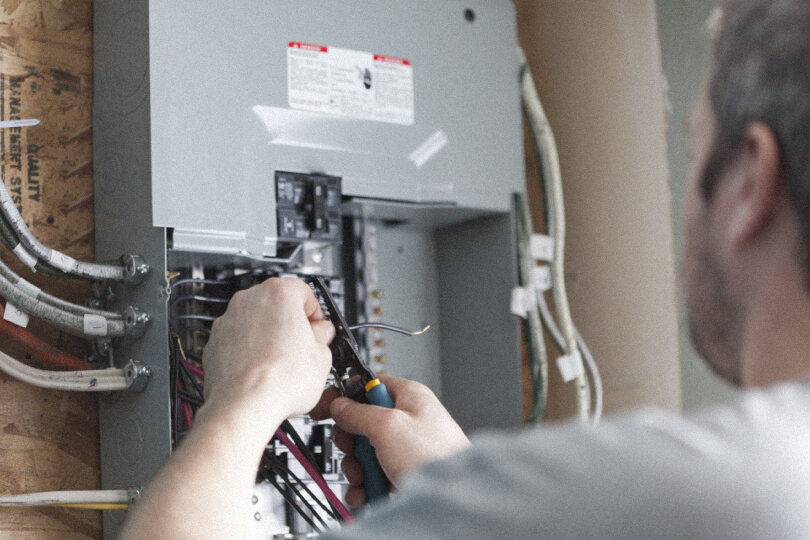
The amperage of the home’s electrical panel determines how much available power there is. Many older homes have a 100-amp panel, and there are some that still only have a 60-amp panel. The NEC only requires a 100-amp panel for new homes. However, many houses can greatly benefit from upgrading to a 200-amp panel.
Why “It Has Always Been Fine” Is Not a Reliable Test
The saying “if it ain’t broke, don’t fix it” doesn’t always apply when it comes to electrical systems. Many older systems seem fine for the most part until spikes in demand and hidden weaknesses create a safety issue. The risk of shock or an electrical fire is why you shouldn’t ignore early warning signs like outlet issues, tripped breakers, and flickering lights.
When to Call an Electrician for an Older Kitchen or Bathroom
You should contact an electrician for older home rewiring if your system can support your current demand. Our team will perform a thorough inspection to find issues. They will also determine your household’s power use patterns. Based on these factors, they offer guidance on the upgrades that will make the most sense for convenience and safety.
Contact Your Local Electricians
Older electrical systems often cannot keep up with today’s kitchen and bathroom power demands. From older home rewiring, panel replacement, and GFCI installation, you can trust the experienced team at Clover Electric. We provide safe, code-compliant solutions that meet your needs.
To schedule an inspection in the Cleveland area or the surrounding parts of Northern Ohio, contact us today.